


Omnichannel promised brands the ability to meet customers everywhere, but presence alone isn’t enough. Real success lies in timing interactions precisely so that every interaction feels like part of a single conversation rather than a random string of notifications, and the conversation is moving things towards your business goals. That’s where email comes in.
Because an email address travels with a person from phone to laptop, from store checkout to help-desk chat, it has become the connective tissue that connects all the different aspects of an omnichannel strategy.
This article spotlights the non-negotiable email touchpoints that keep omnichannel journeys humming, explains why each matters, and shares best practices you can put to work today.
The Indispensable Role of Email in Omnichannel
In today’s maze of social feeds, apps, and in-store beacons, email remains the central hub. Email sits at the heart of omnichannel because the inbox is where otherwise disparate signals finally meet in one persistent, measurable place.
That universality starts with identity. An email address serves as the unique identifier that customers willingly share and rarely change, enabling customer-data platforms to stitch together product-page clicks, loyalty-card swipes, and support tickets into a single profile. This is especially important with the rise of AI-driven personalization, as it enables the creation of profiles that drive personalization.
The channel’s raw reach is equally compelling. Worldwide email users passed 4.5 billion this year, and 99% of them check their inbox daily, many before opening any social app. This results in nearly 22% of email campaigns being opened within the first hour of being sent, giving marketers near-real-time feedback.
That engagement converts into revenue. The latest benchmarking shows email returning roughly $36 for every $1 invested, cementing its position as digital marketing’s most efficient channel.
Crucially, email has evolved beyond ‘batch-and-blast.’ Automated, behaviour-triggered messages now slip seamlessly between push notifications, social retargeting, and in-store interactions. Email is no longer competing with other channels: it’s powering them.
Key Email Touchpoints Across the Customer Journey
While tactics vary by sector, a handful of email moments consistently make or break the omnichannel experience. The following sections trace those moments across awareness, conversion, retention, and ongoing support.
Before the Purchase: Building Awareness and Interest
The welcome series is usually a prospect’s first inbox encounter. Done well, it does more than say ‘hello’: it captures preferences, feeds the customer data platform (CDP), and sets expectations on tone and cadence. High-growth brands now benchmark preference-capture rates inside welcome flows because the data fuels personalisation everywhere else.
Content-nurture emails extend the courtship. Your curated videos, guides, and social proof that mirror what prospects research elsewhere allow you to stay top of mind during the ‘lurker’ period that can last weeks or months. This kind of educational content can generate click-to-open rates more than 40% higher than purely promotional bursts because it solves problems rather than just pushes your product.
Even offline interests, such as trade-show conversations or pop-up events, still require digital closure. Integrating event leads into automated email workflows within a day dramatically lifts downstream conversion, illustrating how email bridges the physical-digital divide.
During the Purchase: Facilitating Conversions
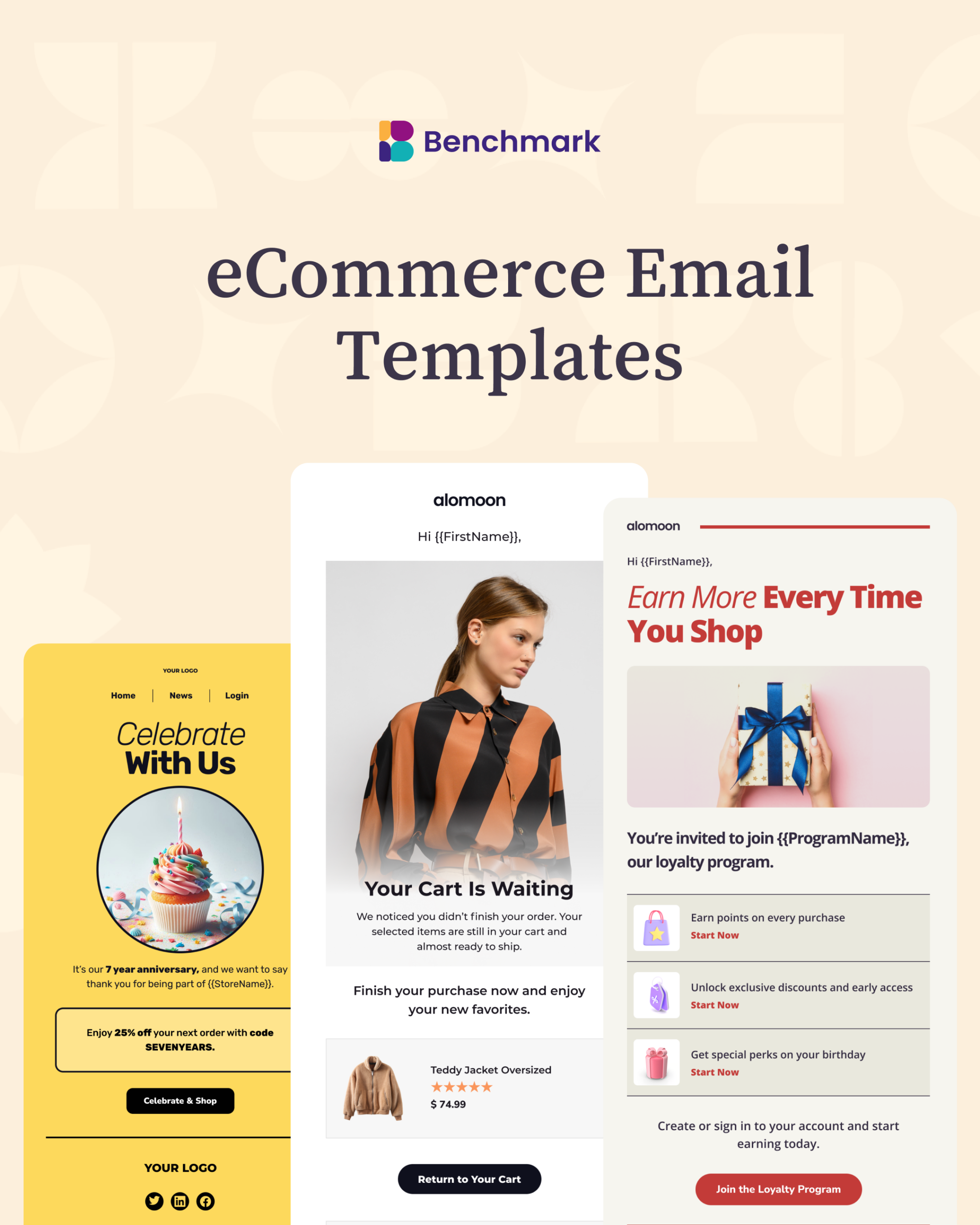
Few messages generate revenue as predictably as cart or browse abandonment reminders. The average open rates of these types of emails top 40%, roughly double the overall benchmark of 21.33%, because the email arrives with the exact product the shopper just considered, complete with an image, size, and a deep link back to checkout.
For considered purchases, such as enterprise software, bespoke furniture, or luxury goods, a personalised follow-up summarising a sales call or live chat session helps maintain momentum and documents next steps for both parties.
Finally, the transactional confirmation seals the deal. Although utilitarian, this message typically enjoys the highest open rate in the lifecycle. Customers scan it for reassurance, tracking details, and sometimes care instructions or referral incentives that seed the loyalty loop.
After the Purchase: Fostering Retention and Loyalty
The first post-purchase email should land almost simultaneously with the confirmation. A genuine thank-you followed by a concise onboarding guide shows customers how to get immediate value, cutting early-stage churn. Brands selling complex products, everything from SaaS dashboards to smart appliances, now treat onboarding flows like micro-courses, complete with short videos and in-app deep links.
Next comes the feedback request. The best examples don’t beg for five stars: they explain how previous comments led to real improvements, turning a survey into a conversation. That transparency correlates with higher response and retention rates.
Upsell and cross-sell emails are effective only when they appear contextual and timed to address a genuine need. Modern playbooks analyse usage patterns, replenishment cycles, and even IoT signals to make each offer feel predictive rather than pushy.
Subscription-renewal notices round out the retention suite. Clear timelines, one-click payment-method updates, and the option to pause rather than cancel remove friction and protect recurring revenue.
Customer Service and Support: Sustaining the Relationship
Support channels have expanded, from WhatsApp chats to self-service widgets, but email remains the anchor, offering a searchable history and asynchronous convenience. Modern platforms route those messages into the same interface reps use for voice and live chat, so context travels with the ticket instead of forcing customers to repeat themselves. These unified inboxes are essential for delivering genuinely seamless service.
Proactive customer-success outreach goes even further. Simple milestone emails that flag under-utilised features or propose optimisation reviews demonstrate a vested interest in customer goals. Pairing those messages with self-service resources, like interactive FAQs or AI chatbots, gives recipients a choice in how they learn.
Finally, loyalty-programme emails turn satisfied users into advocates. When enrolment is a single click and rewards are transparent, customers gladly share referral links on social feeds, completing the awareness-to-advocacy loop.
General Best Practices for Omnichannel Email Success
Behind every polished touchpoint sits infrastructure and discipline. A robust customer-data platform is non-negotiable. Without a single profile to reference, personalisation breaks and customers receive jarringly inconsistent messages. Advanced marketers now weave event streaming into the CDP so every click, store visit, or help-desk note refreshes segments within minutes.
Tone and visuals must stay consistent. Whether an offer arrives as a push notification or a glossy HTML newsletter, colour palette, voice, and value proposition should feel unmistakably ‘you.’ Consistency underpins trust, which can be linked to measurable lifts in inbox placement and engagement.
Personalisation, timeliness, and relevance form the trifecta that separates helpful from annoying. Send recommendations triggered by behaviour, not calendar slots, and pace frequency based on actual engagement to avoid fatigue.
Automation ties everything together. Workflows now span channels: a cart reminder can spawn a social retargeting ad if unopened, while a customer-support resolution email can prompt an in-app rating request.
Mobile optimisation should be standard by now. Half of millennials open emails on a phone, and 50% of people delete messages that are not responsive the moment they spot formatting issues. Deep links that launch native apps at the right screen make the switch between channels feel effortless.
Privacy and measurement keep programmes future-proof. GDPR, CCPA, and emerging regional laws require transparent opt-ins and easy-to-use preference centers. Success metrics must expand beyond opens and clicks to include cross-channel revenue contribution, satisfaction scores, and lifetime value.
Email’s plain-text line may look quaint next to augmented-reality ads and AI avatars, yet it remains the only channel customers invite into the private space of their inbox on their terms. Treat that privilege with care, and every message becomes a gentle nudge that carries the customer one logical step closer to loyalty, no matter where the journey began.
Mapping and optimising the touchpoints covered here can help marketers to transform omnichannel from a patchwork of platforms into a genuinely unified experience, one that converts more often, retains longer, and inspires advocacy that paid media alone could never buy.


A powerfully simple email marketing platform
Sign up for free to see how effortless email marketing can be.
Our Company
Compare
Solutions
Compare
Account
© Polaris Software, LLC Benchmark Email® is a registered trademark of Polaris Software, LLC
© Polaris Software, LLC
Benchmark Email® is a registered trademark of Polaris Software, LLC