Case Studies: Brands That Successfully Leveraged Social Media Marketing Power

Key Takeaways
- Social media is more than a promotional tool. It enables two-way conversations with your audience and serves as a leading source of business intelligence for 93% of companies.
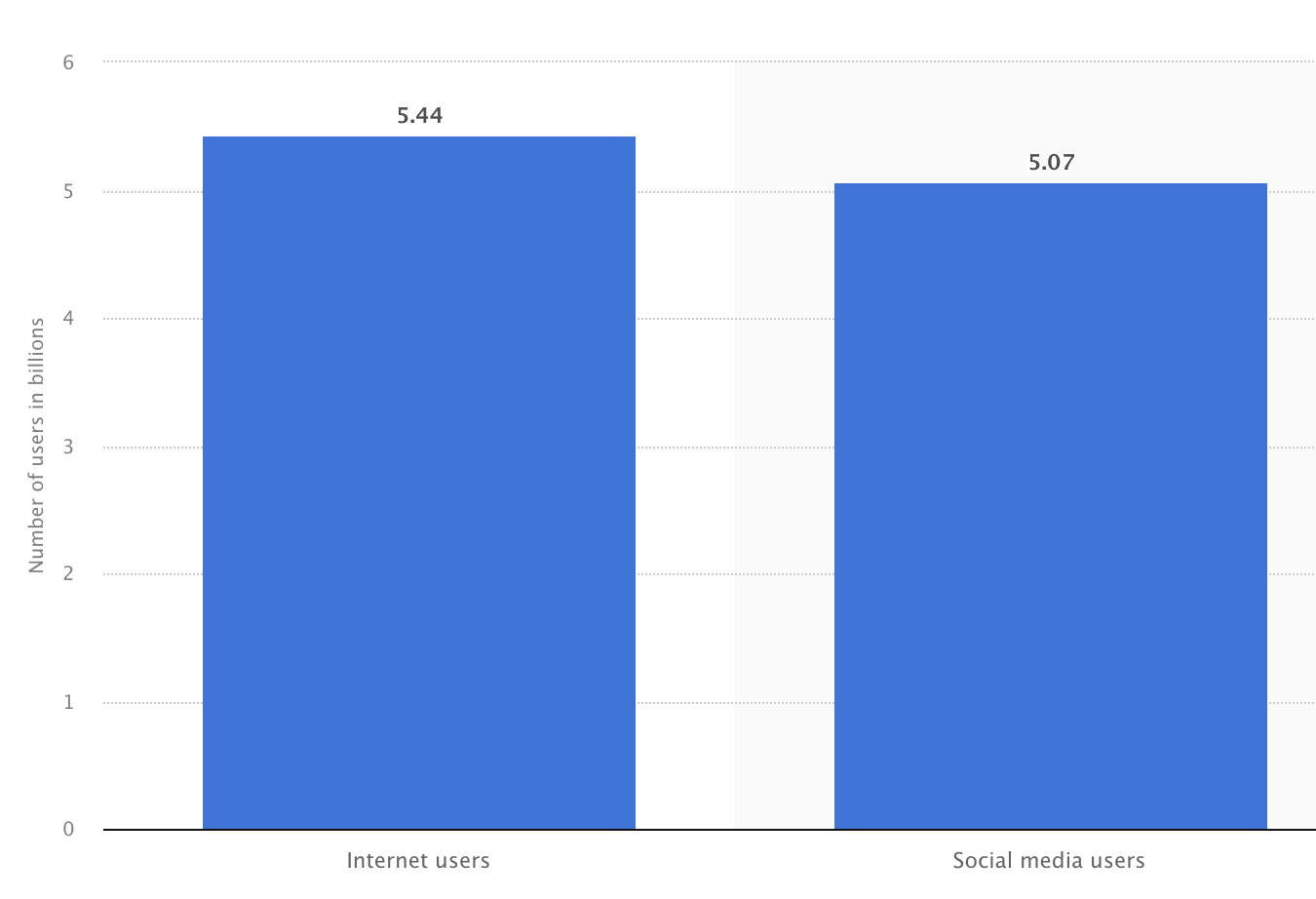
- Nearly 70% of the world’s population uses social media daily, giving brands the opportunity to reach massive audiences with both organic content and paid advertising.
- Social media is one of the most cost-effective marketing channels available, especially for brands without large budgets. Organic, targeted content can drive significant reach without ad spend.
- Consistency builds loyalty. Brands that regularly engage with followers through posts, Stories, and DMs build stronger trust and deeper customer relationships over time.
- The most successful brands on social media lead with value: free educational content, expert interviews, personal storytelling, and influencer partnerships all help position brands as credible authorities.
- Cross-posting and repurposing content across platforms (such as turning Instagram Reels into YouTube Shorts) extend your reach without requiring extra effort.
- Social insights reveal who your audience is, how they behave, and what they want, making them essential for improving everything from product development to customer service.
Sure, social media helps you promote your products. But it’s far more important than that.
It also enables a two-way conversation with your target audience, helping you improve every aspect of your business. In fact, 93% of companies(opens in new tab) say that social media is one of the leading sources of business intelligence for improving their brand.
But how do you reach the right audience(opens in new tab) and engage them in ways that drive growth? Let’s explore some of the most successful brands on social right now and unpack the techniques they use to power up their brands.
Why is Social Media Marketing so Important for Upcoming Brands? The Benefits
Social media marketing is an indispensable tool for upcoming brands. With the right social media strategies, you can reach your target market.
This, compared to conventional marketing methods, may help you reach a broader audience. Additionally, customer engagement insights help you make data-driven decisions to achieve your broader business objectives.
Let’s explore why your social media activities are essential to driving revenue and attracting customers.
1. Everyone’s there
Let’s not beat around the bush — billions of people use social media daily. In fact, nearly 70% of the world’s population(opens in new tab) regularly uses social channels.
(Image Source(opens in new tab))
This gives you the chance to reach a massive audience.
2. You can target your specific niche
Social media platforms(opens in new tab) help you reach your target audience with advanced targeting options. These tools help you focus your social media efforts on users most likely to be interested in your products or services.
Whether targeting with organic content or social ads, you can concentrate on reaching your ideal customers. No more wasting time and money on generic marketing campaigns.
3. It’s a cost-effective marketing method
Social media marketing(opens in new tab) strategies are a very budget-friendly option for upcoming brands that don’t have large marketing budgets. With the right strategy, you can produce organic, targeted content to reach a very wide audience, without ever having to dip into social media advertising.
4. It builds brand awareness across new markets.
The number one reason brands use social media is to increase brand awareness and reach new markets(opens in new tab). This is because social networks are so effective at helping you gain brand visibility across different markets. After all, it’s the algorithm’s job to push your content to active users who show interest in similar topics.

(Image Source(opens in new tab))
You’ll see expansive follower growth in new areas by following social media trends and targeting specific keywords.
5. It humanizes your brand
56% of consumers(opens in new tab) believe brands need to be more relatable. Unlike your website or more formal digital marketing outlets, social media lets you showcase your company culture and tell a compelling brand narrative.
This is also a great way to build a personal connection with potential customers. It also enables you to create more meaningful relationships that foster trust and loyalty.
6. It boosts web traffic
Social media marketing platforms can be effective for boosting website traffic. They target ideal customers and lead them to products they’d like. Creating engaging content(opens in new tab) encourages clicks, helping you push more traffic to your site.
7. You can increase your revenue
There are two ways to boost revenue with your business social accounts: Directly and indirectly. Indirectly, you drive brand recognition through compelling content that fosters customer engagement. However, many social channels now offer a platform for selling directly to customers.
Social selling(opens in new tab) is on the up-and-up, and brands say that one of the main reasons they use social media is to drive more revenue(opens in new tab).
8. You build brand loyalty
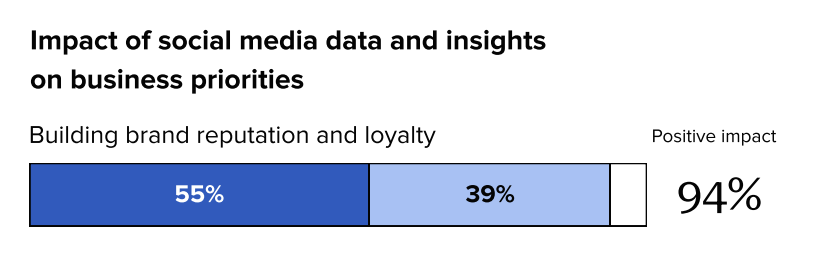
Consistent customer interaction helps build trust and loyalty. Your social media profiles offer you the opportunity to reach potential and existing customers regularly.
(Image Source(opens in new tab))
In doing this, 94% of brands(opens in new tab) say social media data helps them build brand loyalty and reputation.
9. It’s a direct line to customers
Social media engagement provides you with valuable insights into customer sentiment(opens in new tab) and preferences. This feedback can power product improvements, customer service, and marketing campaigns. Plus, socials give you a direct line to communicate with your customers, helping you foster relationships in real time. This further boosts trust and drives loyalty.
10. You have access to partnerships
Influencer marketing(opens in new tab) is a powerful way to reach wider audiences without doing the legwork to expand your community of followers. Leveraging partnerships(opens in new tab) and influencers helps drive traffic to your social profiles and improves your credibility by endorsing your products.
11. Social insights help define your business strategy
Social media insights aren’t just important — they’re vital to your success. Your socials offer direct insights into who’s interested in your brand, how they behave, and what they like. Understanding this information helps you improve all aspects of the business, from product development to customer services to sales and marketing.
Turning Internal Advocacy Into Measurable Impact
Many case studies of brands that successfully leveraged the power of social media marketing show a clear link between external performance and internal engagement.
Companies with strong employee engagement often see stronger reach and credibility when employees actively participate in sharing brand stories and campaigns. This is why the top employee engagement tools(opens in new tab) are increasingly part of social strategies, helping teams stay informed, aligned, and confident about what they share.
Employee engagement platforms support this by connecting internal communication to everyday workflows, turning employees into consistent, authentic advocates rather than passive observers.
Brands Killing it on Socials and the Techniques They Use
Your social media channels give you direct access to your customers. They allow you to showcase a consistent brand identity(opens in new tab), build meaningful connections, and creatively demonstrate your value.
Check out how these brands drive success by maximizing their social media presence(opens in new tab) (opens in new tab)(opens in new tab) through innovative strategies.
Jamie Sea: Gives away value for free
One of the most effective ways to engage and demonstrate your expertise is to offer value for free through educational content. It shows what your business can offer, boosts your credibility, and positions you as an authority in your field.
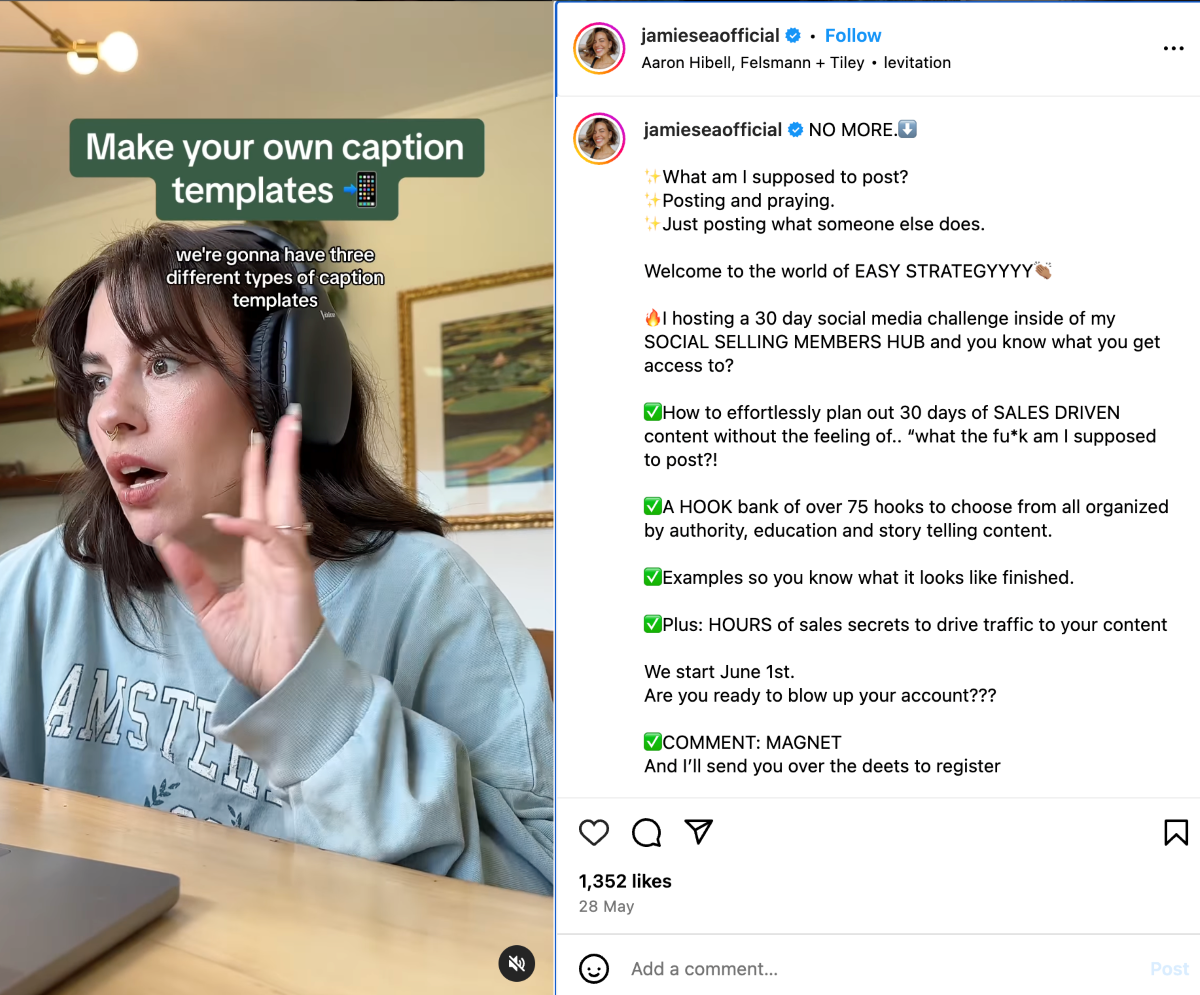
Jamie Sea, an online business sales expert, does this through Instagram Reels.
(Image Source(opens in new tab))
She posts short clips from sessions with real clients, in which she shares one key piece of advice. She then uses the caption to expand on this and invite potential clients to connect.
By giving away valuable content for free, she demonstrates her expertise and builds trust with her audience.
Hello Rache: Educates and Engages Through Social Content
Some brands use social media not just to promote products or services, but to educate their audience and build authority in their niche. Hello Rache(opens in new tab), a healthcare virtual assistant provider, demonstrates this effectively through its social media presence.
Unlike purely promotional content, Hello Rache’s posts on platforms like Instagram and Facebook illustrate the real-world value of virtual assistants for healthcare practices. Their feeds highlight industry insights, operational tips, and team culture, including posts celebrating milestones and leadership moments, which helps humanize the brand and position it as a trusted partner for busy healthcare professionals.

(Image Source)(opens in new tab)
Additionally, the company creates content that informs current and potential clients about how virtual assistants can support practices with social media updates, patient engagement, and administrative workflow, showing that social platforms can be both an educational channel and a customer relationship builder.
This approach resonates particularly well with their audience of healthcare professionals, who are often pressed for time and appreciate concise, actionable insights shared through relatable social content.
Form Health: Builds Trust Through Expert-Led Education
Form Health’s Instagram strategy is a masterclass in clinical branding, focusing on expert-led education rather than trendy “quick fixes.” Their feed prominently features their board-certified physicians and registered dietitians, who provide evidence-based insights on medications such as GLP-1s.
By emphasizing medical oversight and personalized care plans, they use social media to build the high level of trust necessary for patients seeking a Zepbound weight-loss prescription(opens in new tab). This authoritative approach ensures that their “marketing power” is rooted in credibility, successfully converting curious followers into patients through a clear, medically vetted path.

(Image Source)(opens in new tab)
Cruise America: Partners with influencers
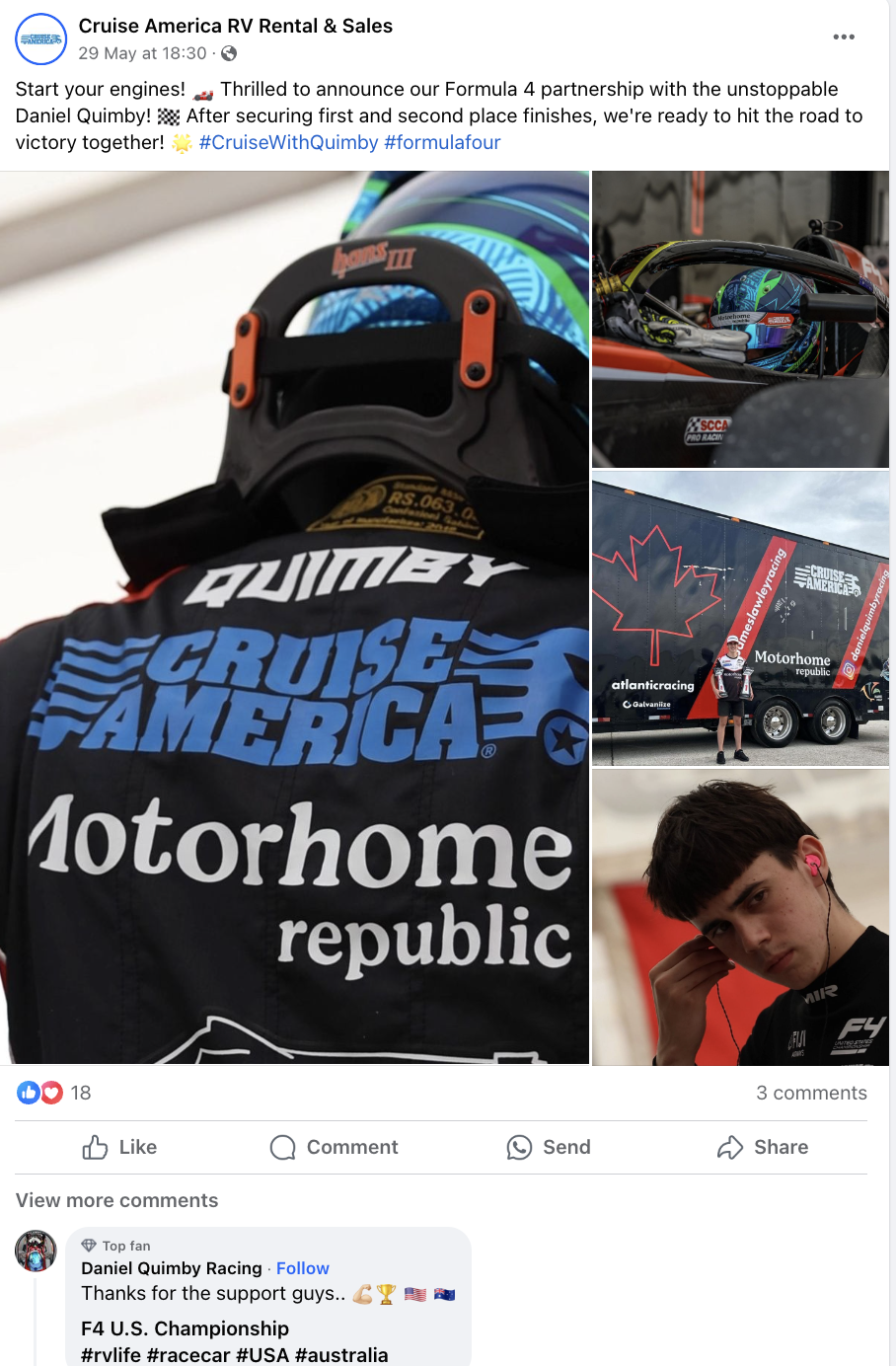
Partnerships and influencer marketing can help you reach new markets and connect with new audiences. Influencers also boost your credibility. By partnering with your brand, they act as endorsements for your products and services. Look at Cruise America.
(Image Source(opens in new tab))
Cruise America partners with influencers like Formula 4 driver Daniel Quimby. By connecting with a young, upcoming racecar driver, the brand creates a compelling narrative that helps modernize the idea of buying used RVs. This partnership broadens its reach to tap into new audiences and rebrand a typically old-fashioned pastime.
Marie Forleo: Interviews industry experts
Interviewing industry experts for your socials boosts your credibility and authority. It positions you as an authority by showing you have access to important industry contacts. Plus, you can leverage their audiences to reach a wider audience by tagging these experts and driving revenue. Look at business strategist and thought leader Marie Forleo.

(Image Source(opens in new tab))
She builds credibility around her brand by leveraging experts. She creates podcasts and posts them across her social platforms, tagging the interviewees to harness their audience and demonstrate her expertise.
Maria Wendt: Shares personal stories
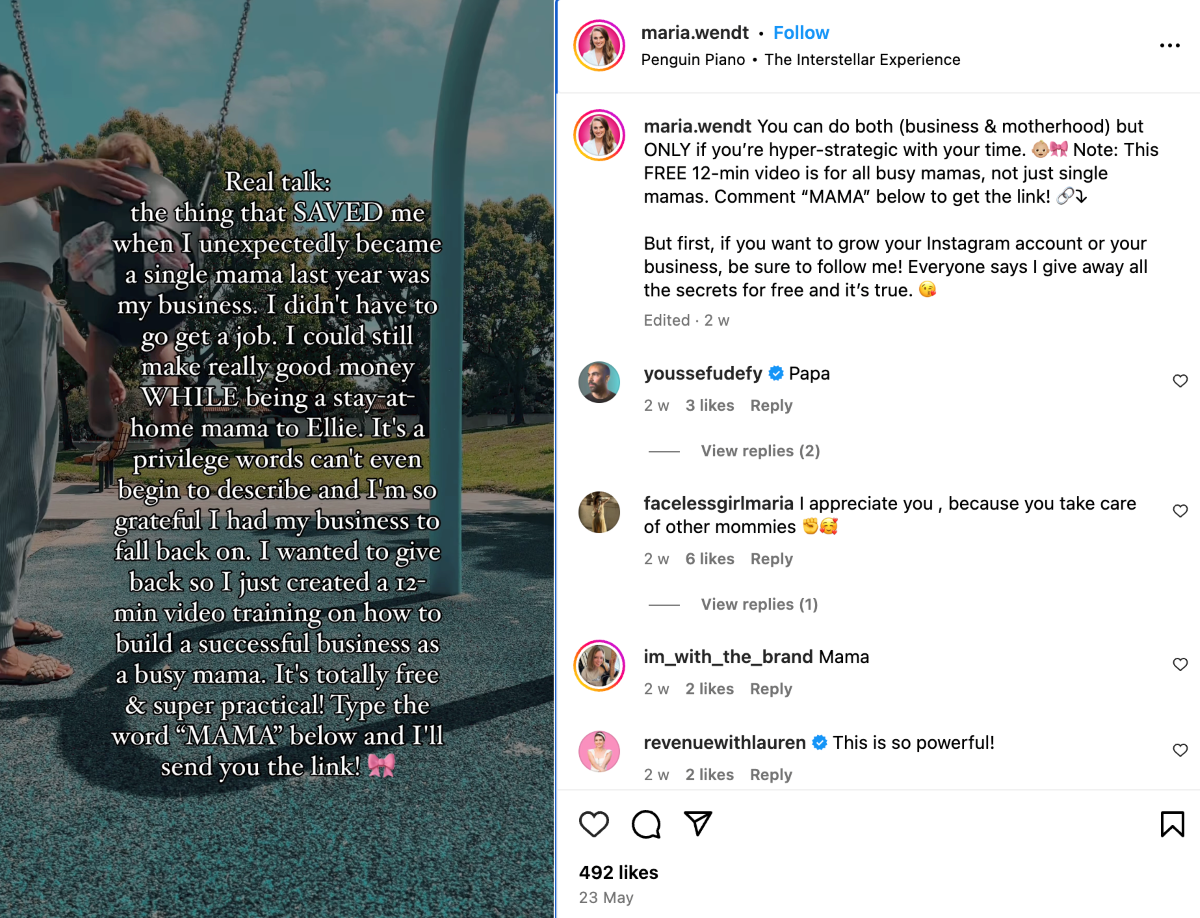
Social platforms are a great place to humanize your brand. People want to connect with brands on a personal level. The informality of social content gives you the space to make these connections with customers. Also, sharing personal stories helps you get closer to your target niche. These windows into your daily life show that you mirror your audience, helping them feel aligned with your purpose.
Take business coach Maria Wendt.
(Image Source(opens in new tab))
She often shares personal stories from her life. This makes her more approachable and helps her narrow her audience. She builds authentic relationships and fosters deeper connections with her followers by doing this.
Pro-Tip: Lots of trends offer great social media templates for this. Here, Wendt uses the “Real Talk” trend to discuss personal struggles.
Jasmine Star: Cross-posts content to increase coverage
Not everyone in your target audience will prefer the same platform. Reaching your ideal customers means posting on different platforms. This means repurposing content to suit each platform. Jasmine Star, CEO of Social Curators, does this really well.

(Image Source(opens in new tab))
When she creates reels for Instagram, she reposts them directly on YouTube Shorts. This helps her reach different audiences without extra work. Then, when she creates long-form YouTube videos, she cuts them into shorter videos and posts them on Instagram and Facebook Reels.
Slack: Connects with existing followers using temporary content
Temporary content is one of the best ways to nurture existing customer relationships and move them down the funnel. It’s one thing to get new followers. It’s another thing to convert them into customers. Slack uses Instagram and Facebook Reels to do this.

(Image Source(opens in new tab))
By announcing new features in Stories, the chat software encourages existing users to engage more with the product and use it more often within their business. At the same time, it gives unconverted followers more reasons to use the software.
Gardenary Co: Leverages DMs to connect
Direct message (DM) automations are excellent for engaging new and existing followers. While static posts give you a catalog of content, algorithm limitations mean some followers might not see these organic posts in their feeds. DMs are more noticeable and feel more personal.
Check out Nicole Burke of Gardenary Co.

(Image Source(opens in new tab))
She uses DMs to send exclusive content and product links to followers. When someone engages with the message, an automated flow continues the conversation. This channels potential customers down her sales funnel.
Upgrade your socials
Social media fundamentals have changed. It’s no longer about self-promotion. Brand posts must build customer relationships to demonstrate their value and culture. Remember, educate, entertain, and engage.
Don’t be afraid to give away value for free and leverage complementary industry experts to position yourself as an authority. Looking for more advice on how to supercharge your social media content strategy? Check out more articles on Benchmark(opens in new tab).
Here’s to your success!
Frequently Asked Questions
Why is social media important for brand growth?
Social media gives brands direct access to billions of potential customers while enabling two-way communication that builds trust and loyalty. It is also one of the top sources of business intelligence, helping companies improve their products, services, and marketing strategies based on real audience feedback.
How can small or upcoming brands compete on social media without a big budget?
Organic content is one of the most powerful and affordable tools available. By consistently posting relevant, valuable content and using platform targeting features, brands can reach their ideal audience without relying on paid advertising. Starting with one or two platforms and focusing on quality over quantity is a practical approach for resource-limited teams.
What types of content perform best on social media?
Content that educates, entertains, or builds personal connection tends to perform best. Examples include free educational tips, behind-the-scenes brand storytelling, expert interviews, and user-generated content. Interactive formats like Reels, Stories, and DMs also drive higher engagement than static posts alone.
How does influencer marketing help brands grow on social media?
Partnering with influencers gives brands access to established, engaged audiences that may not yet know about them. Influencers also lend credibility to your products or services through their endorsement, which can accelerate trust-building with new potential customers.
What is social selling and how does it work?
Social selling refers to using social media platforms to sell products or services directly to customers. Many platforms now include native shopping features, allowing brands to convert followers into buyers without requiring them to leave the app. Indirect social selling, through brand awareness and relationship-building, also contributes to revenue growth over time.
How often should brands post on social media?
Consistency matters more than frequency. A regular posting schedule, whether daily or a few times per week, signals reliability to both your audience and platform algorithms. The key is to maintain a cadence you can sustain without sacrificing content quality.
How can I measure whether my social media efforts are working?
Track metrics like follower growth, reach, engagement rate, website traffic from social channels, and conversion rates. Most platforms offer built-in analytics, and tools like Hootsuite or Buffer provide more detailed reporting across multiple accounts. Reviewing this data regularly helps you refine your strategy and focus on what resonates most.