


7 Unique Ways to Use Benchmark Email in 2026 (By Industry)

This blog post was last updated on 2/24/26.
Email marketing tools evolve quickly, and so do the ways small teams use them.
A few years ago, most marketers used email platforms for the basics: newsletters, promotions, and the occasional announcement. Since then, expectations have changed. Teams are smaller, attention is tighter, and every campaign needs to pull more weight than before.
Today, the most successful marketers aren’t just sending emails; they’re using email strategically across industries, goals, and workflows.
This updated guide breaks down seven practical, modern ways to use Benchmark Email, reflecting how features and best practices have evolved through 2024–2025. Each use case is grounded in real-world needs and designed for busy teams that want results without complexity.
Why This Matters
Today, personalization matters more, including industry context. Different teams use email differently:
- A retailer’s priorities aren’t the same as a nonprofit’s
- A SaaS team needs different insights than a restaurant does
- A solo marketer needs speed more than sophistication
Our goal with this article is to show how modern teams tailor email strategies by industry while still keeping execution simple.
1. Retail & eCommerce: Campaigns That Actually Drive Action
Retail email hasn’t changed in purpose, but it has changed in execution. Today, top-performing retail teams use email to:
- Highlight a single offer per campaign
- Segment by purchase behavior or interest
- Reuse campaign content across social and email
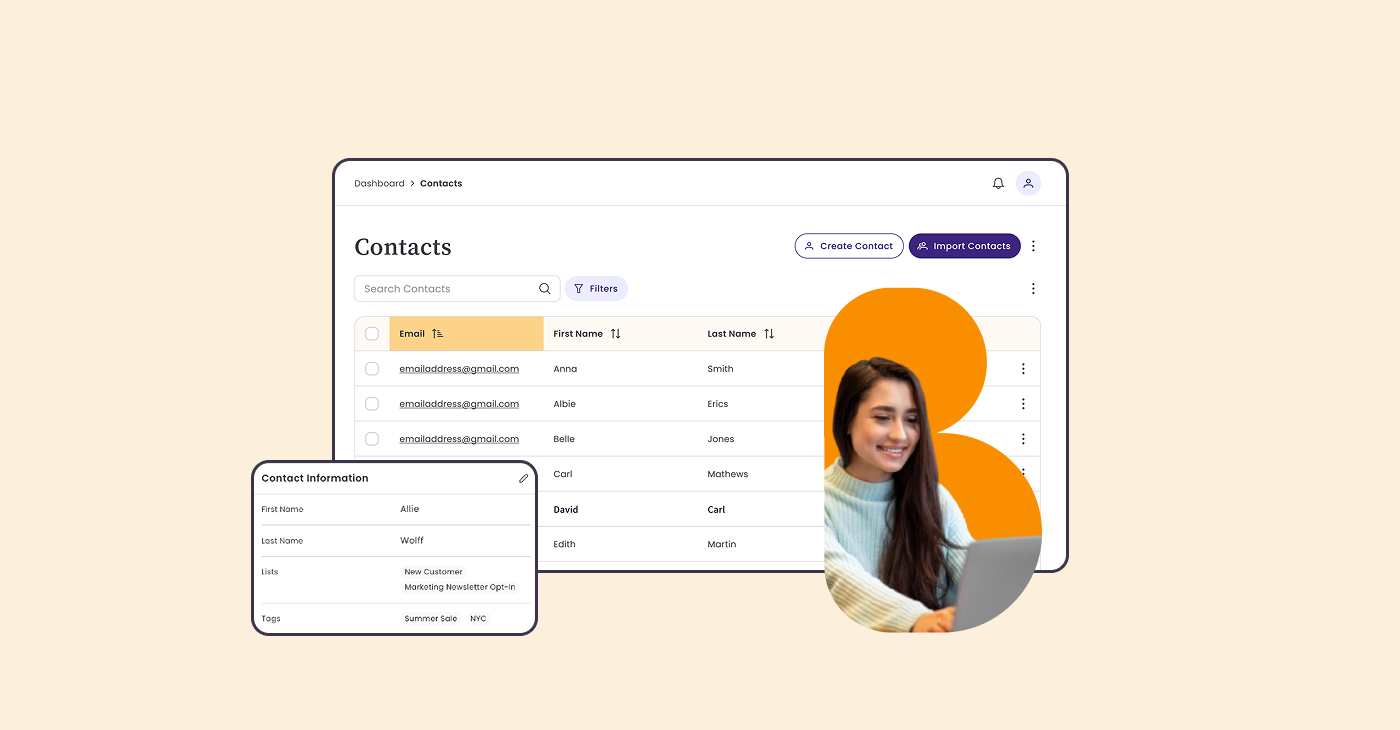
With Benchmark Email, retail teams use tagging and segmentation to:
- Promote seasonal collections to the right shoppers
- Re-engage past buyers without spamming the full list
- Track which campaigns actually convert
Why it works: Fewer emails, clearer offers, and better targeting outperform frequent blanket sends.
2. SaaS & Tech: Onboarding and Education Without Overwhelm
For SaaS teams, email is often the primary channel for education. In 2026, the smartest SaaS marketers use email to:
- Guide new users through setup in plain language
- Share feature highlights without feature overload
- Reinforce value with quick, focused tips
Instead of long onboarding sequences, many teams send:
- One helpful email at a time
- Clear explanations tied to real use cases
- Short messages that respect attention
Why it works: Simple, educational emails reduce churn and support tickets without requiring automation-heavy workflows.
3. Nonprofits: Relationship-Building Over Constant Asking
Nonprofit email strategies have shifted significantly in recent years. Today’s most effective nonprofit emails focus on:
- Storytelling, not just fundraising
- Progress updates donors can understand
- Impact-focused messaging over urgency
Teams use Benchmark Email to:
- Segment donors vs. volunteers
- Send updates that build trust before asking
- Share consistent monthly communications
Why it works: Donors stay engaged when emails feel meaningful rather than transactional.
4. Restaurants & Hospitality: Staying Top of Mind (Without Spamming)
Restaurants don’t need complex funnels. They need visibility and timing. In 2026, successful hospitality teams use email to:
- Promote weekly or monthly specials
- Share events or seasonal menus
- Drive repeat visits with simple reminders
Emails are:
- Short
- Visual
- Focused on one reason to visit
Why it works: Consistency beats frequency. A predictable cadence keeps brands familiar without annoying subscribers.
5. Agencies & Consultants: Thought Leadership That Builds Trust
For service-based businesses, email is often the main credibility builder. Modern agency emails focus on:
- Sharing insights instead of selling
- Highlighting lessons learned
- Repackaging blog or social content
Benchmark Email helps agencies:
- Reuse content across campaigns
- Maintain a consistent brand voice
- Share expertise without overproduction
Why it works: Clients hire people they trust, and trust is built through steady, valuable communication.
Content Repurposing Masterclass: Turn One Idea into 10 Marketing Assets Webinar
DOWNLOAD NOW6. Education & Training Organizations: Clarity Over Complexity
Educational emails succeed when they reduce confusion. Today, training providers use email to:
- Break complex topics into simple lessons
- Share reminders without information overload
- Guide learners step by step
Effective emails include:
- Clear headlines
- One learning objective
- One next step
Why it works: Learners engage more when emails feel supportive rather than overwhelming.
7. Internal Teams: Email as a Collaboration Tool
One of the most overlooked uses of email platforms? Internal communication. Teams use Benchmark Email to:
- Share company updates
- Coordinate across departments
- Keep messaging consistent
With multi-user access and shared templates, internal emails:
- Look polished
- Stay on-brand
- Save time
Why it works: Clear internal communication improves alignment, especially for distributed teams.
What’s New That Changes How Teams Use Email
Several platform and behavior shifts since 2024–25 have shaped these use cases:
- Better segmentation tools → more relevant sends
- Clearer reporting → faster decisions
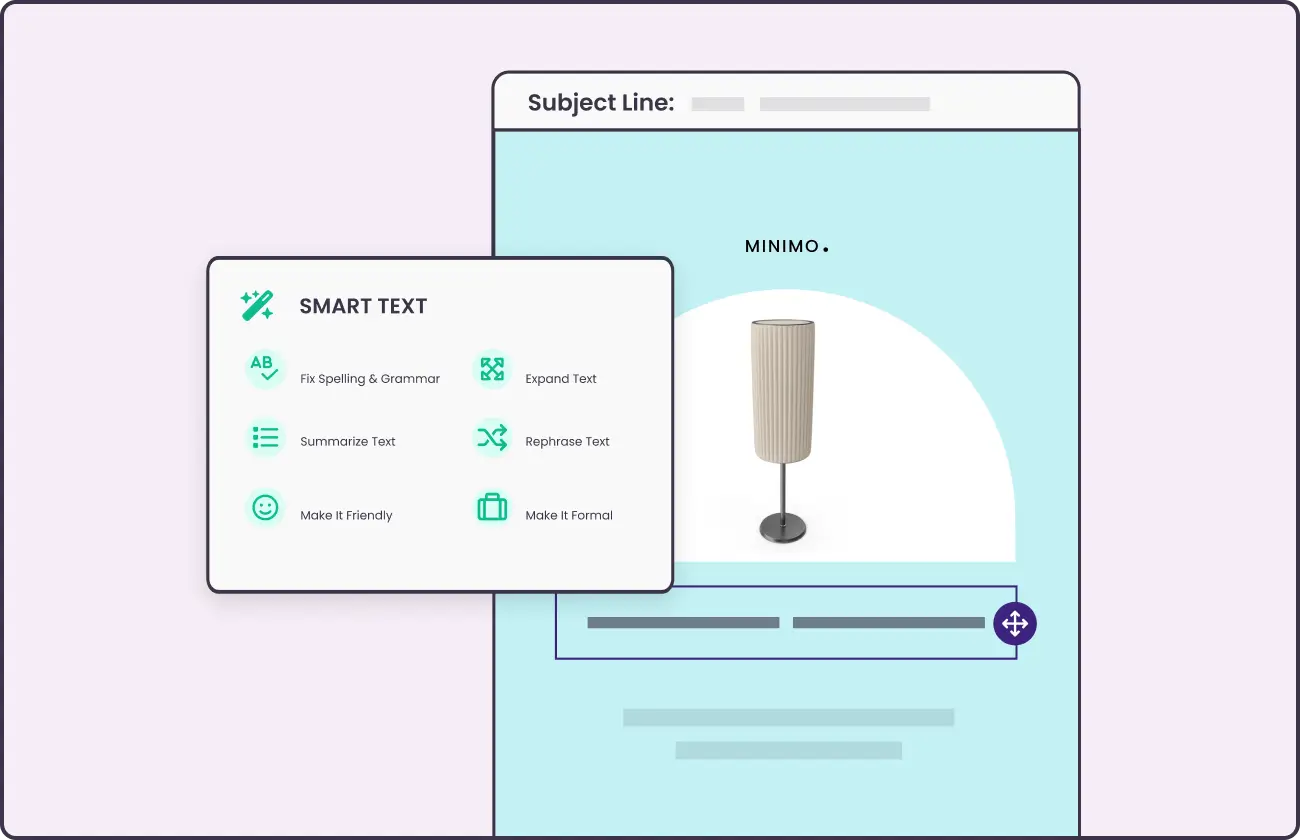
- AI-assisted writing features → quicker drafts and edits.
- Collaboration features → fewer bottlenecks.
The result? Email is no longer just a channel. It’s a system teams rely on daily.
How to Choose the Right Use Case for Your Team
If you’re unsure where to start, ask:
- What’s our primary goal right now?
- Who is our most important audience segment?
- What’s one email we know we should be sending consistently?
Start there. Then expand slowly. Email works best when it’s intentional, not when it’s trying to do everything at once.
Final Takeaway: Email Wins When It Fits the Team
The biggest evolution in email marketing isn’t a feature. It’s focus. In 2026, the best email strategies:
- Match industry needs
- Respect limited bandwidth
- Prioritize clarity over complexity.
Benchmark Email works best when it supports how real teams operate, helping marketers send smarter, not harder.
You don’t need seven strategies at once. You need one that fits your audience and your time.

Sign up for a free Benchmark Email account today!
SIGN UP FREEAbout the Author:

High level marketing, technical email topics, email trends | Jessica Lunk is the VP of Growth Marketing at Benchmark Email, where she combines strategic flair with hands-on expertise to help busy marketers elevate their email game. Delivering timely insights on list hygiene, ROI, and email deliverability, she’s a go-to voice for practical marketing wisdom.

A powerfully simple email marketing platform
Sign up for free to see how effortless email marketing can be.
Our Company
Compare
Solutions
Compare
Account
© Polaris Software, LLC Benchmark Email® is a registered trademark of Polaris Software, LLC
© Polaris Software, LLC
Benchmark Email® is a registered trademark of Polaris Software, LLC