


How to Grow Your Email List Without Social Media (Organic Strategies That Actually Work)

Key Takeaways
- Social media reach is borrowed; email is owned. Algorithm changes can erase months of progress overnight. An email list is an audience asset you control directly, and 75% of marketers are treating it as a long-term investment channel in 2026 for exactly that reason.
- Your website is likely underperforming as a capture tool. High-intent pages already attract the right visitors. The missed opportunity is failing to convert that intent into a subscription. Embedding opt-ins contextually, tied to the problem the visitor is already trying to solve, closes that gap.
- Specificity is the difference between a lead magnet that converts and one that gets ignored. Broad, comprehensive assets feel optional. Narrow, immediately applicable ones feel necessary. Solve one problem, solve it completely, and make the outcome obvious within seconds.
- SEO is a list-building channel, not just a traffic channel. High-intent search queries signal readiness to act. Meeting that intent with a frictionless next step, a template, a checklist, or a tool transforms organic traffic into subscribers.
- Partnerships let you skip the cold start. Collaborating with brands that already hold your audience’s trust means entering with implicit credibility rather than building it from scratch. The key is co-creating something genuinely useful, not simply exchanging shoutouts.
- The most durable growth loops turn subscribers into recruiters. Exclusivity, early access, and referral mechanics give existing subscribers a reason to bring others in, compounding list growth without additional acquisition spend.
- Build systems, not campaigns. The brands winning at email aren’t running one-off tactics. They’re engineering quiet, compounding infrastructure that consistently converts the right visitors into long-term subscribers.
Social media platforms are rented space for attention since your reach can shift overnight. An algorithm change can rapidly diminish any progress you may have made.
At the same time, most of the traffic you work hard to earn leaves without taking action. No signup, no follow-up, no second chance to engage. That’s exactly why 75% of marketers are doubling down on email as a long-term investment channel in 2026.
The focus, then, isn’t about simply driving traffic. You must build strategic systems that capture it, convert it, and turn it into an audience you actually own. Let’s see how.
5 Tips To Grow Your Email List Without Social Media
Here are five proven strategies to build an email list that compounds over time:
1. Turn Your Website Into A Conversion Engine
Most websites focus on informing rather than on conversion. For example, blogs educate, product pages explain features, and landing pages pitch. Even then, only a few are intentionally designed to capture interest where it counts.
Now, high-intent pages already attract the right audience. The gap is failing to translate that intent into action. Instead of treating marketing email capture as an afterthought, it should be embedded into the experience itself.
Your concern should be making the ask feel like the natural next step. Try these:
- Identify pages where intent is highest (how-to blogs, comparison pages, pricing)
- Match the CTA to the user’s immediate goal, rather than subscribing to a generic newsletter
- Use inline forms or content upgrades instead of disruptive overlays
Take Notion as an example.
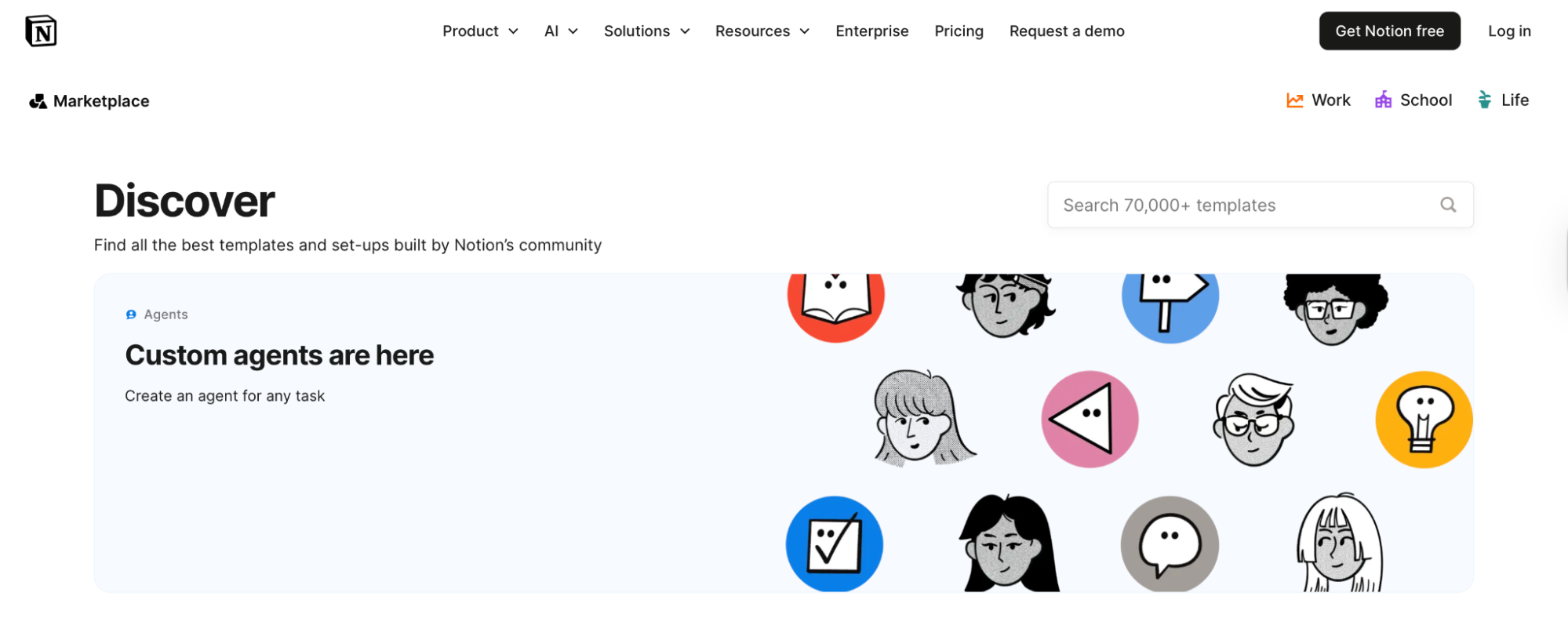
They offer 70,000+ templates that act as conversion points. When you land on a use-case page, the signup is tied directly to the pain point’s solution you’re already exploring, so the decision to subscribe feels obvious.
1. Create Lead Magnets That Solve One Problem
Most lead magnets try to do too much and end up doing very little. When an asset is broad, it feels optional. When it’s specific, it feels necessary. People don’t sign up for “complete guides.” They sign up for something that solves the exact problem they’re dealing with right now. The more focused the scope, the higher the conversion.
Understanding what your audience struggles with is the first step to building lead magnets that convert. Tools that surface customer insights from real feedback data help you pinpoint the exact problems worth solving, so your opt-in offers feel relevant rather than generic.
That’s why you should make the outcome obvious within seconds.
- Pick one use case
- Built for immediate application
- Keep it short, actionable, and easy to implement
- Align it directly with the page’s intent
A great example of a niche solution is HubSpot’s free email signature generator.
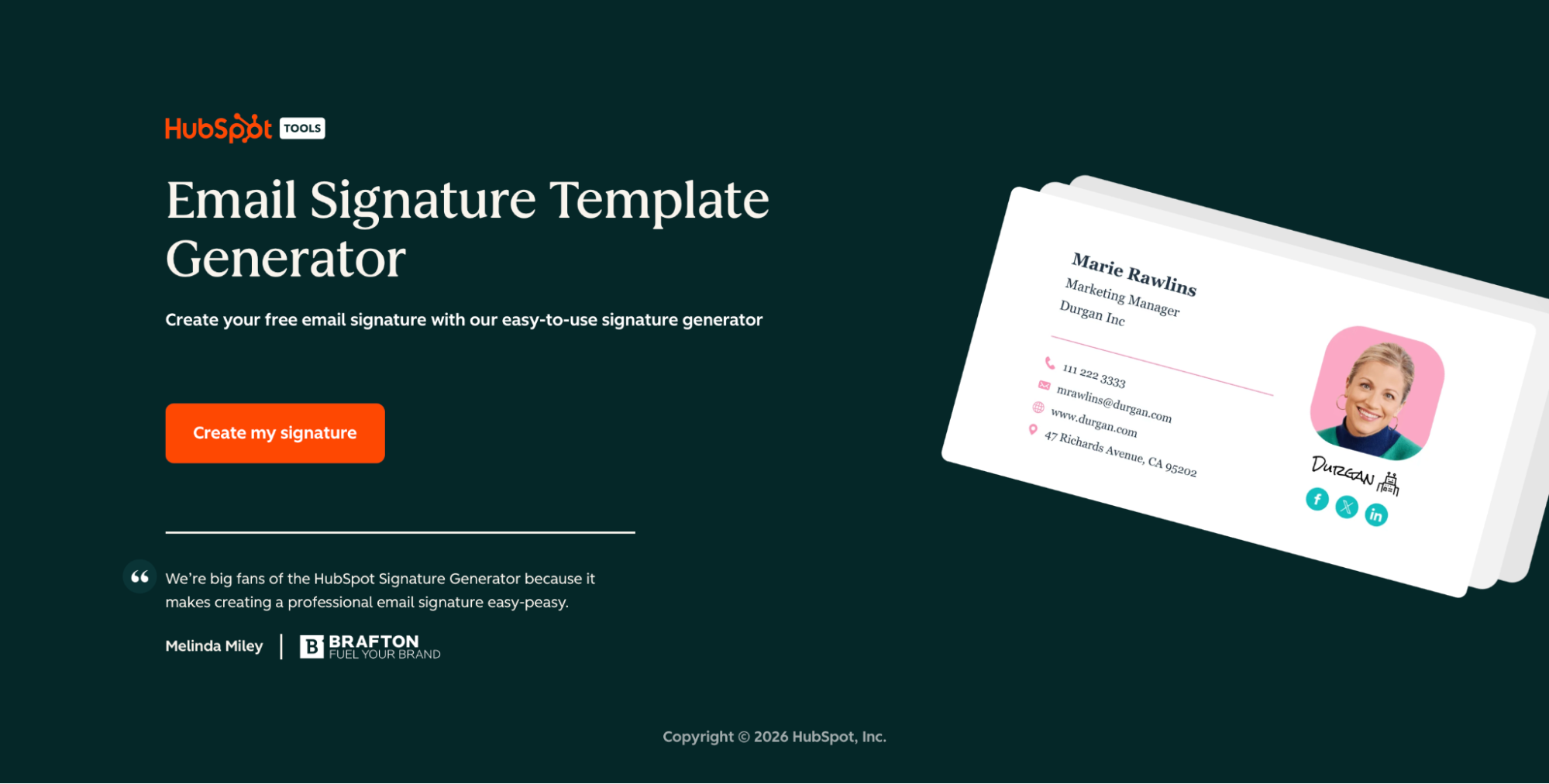
It solves one clear problem instantly. When you land on the page, use the tool and naturally exchange your email for continued access or related value. It makes the sign-up feel like a fair trade rather than a tedious commitment.
2. Use SEO To Capture High-Intent Traffic
SEO is often treated like a traffic game, but list growth comes from what that traffic does next. For example,
- Someone searching “what is email marketing” is exploring.
- Someone searching “email onboarding sequence examples” might act.
That difference is where conversions happen.
In the second example, you’re not just answering the query; you’re anticipating what the reader will need immediately after. That’s where you can drive signups. So, offer a template, a checklist, a ChatGPT paraphrase guide, or anything that helps them move forward without friction.
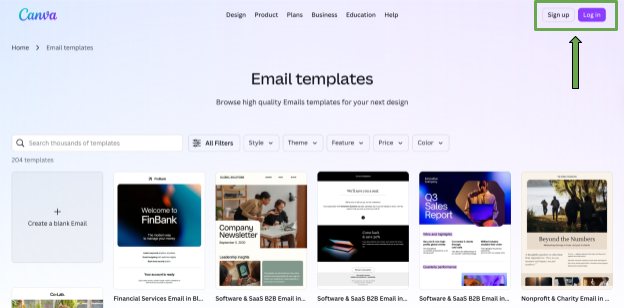
Canva does this extremely well. Their SEO pages don’t stop at inspiration or education. Let’s say you look up “promotional email template” on Google, and you see this-
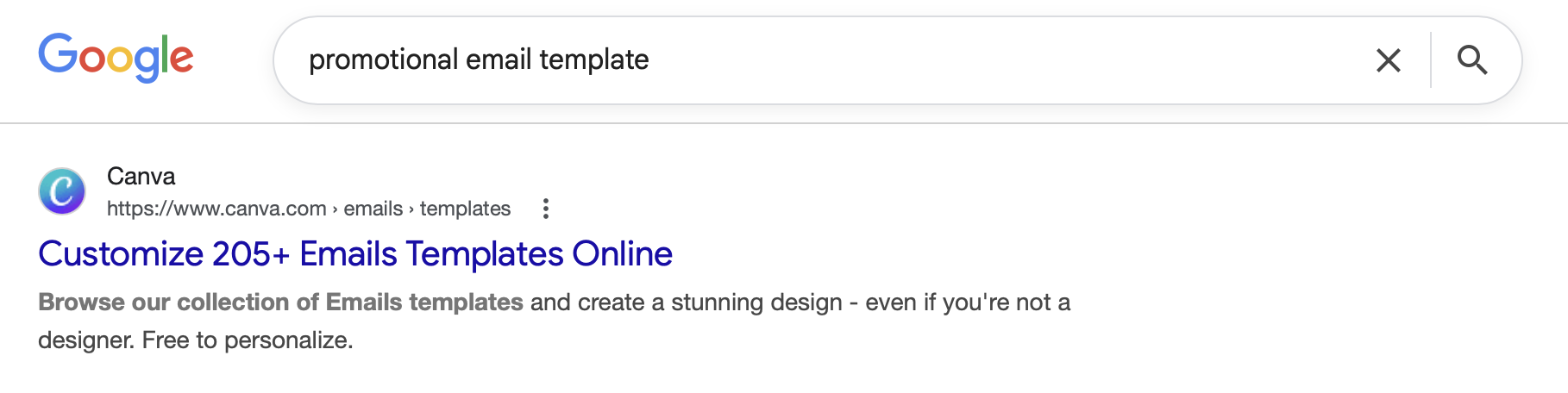
It works because you’re immediately drawn to using a template. The jump from searching to doing is instant, and signing up becomes part of that flow rather than a separate decision.
3. Use Partnerships And Collaborations
To grow your email list, you don’t need to rely entirely on your website traffic. You can also borrow trust. This is the core idea behind earned media: coverage, mentions, and co-marketing moments where another brand’s audience encounters you with implicit endorsement. Enter brand partnerships.
Enter brand partnerships.
When you partner with brands that already have the audience you want, you skip the cold start altogether and enter with credibility. Alignment is crucial here- shared audience, complementary value, no overlap in what you sell.
Remember, a one-off shoutout rarely converts. You’ll have to co-create helpful assets. When both brands invest in something useful, the audience sees the value it offers and won’t see it as blatant promotion.
The format can vary, but the intent stays the same. You’re giving people a reason to opt in for your emails. Think joint webinars that solve a specific problem, co-authored guides that combine expertise, or even newsletter swaps where each brand curates something meaningful for the other’s audience.
Even movies these days use it as a marketing tactic. Let’s take 2023’s mega hit Barbie as an example. They set up their website to get traction. And before the movie even released, they had 30+ collaborations, including Airbnb, Forever 21, Xbox, and more, to build buzz. This led to a range of new products and mutual conversions.
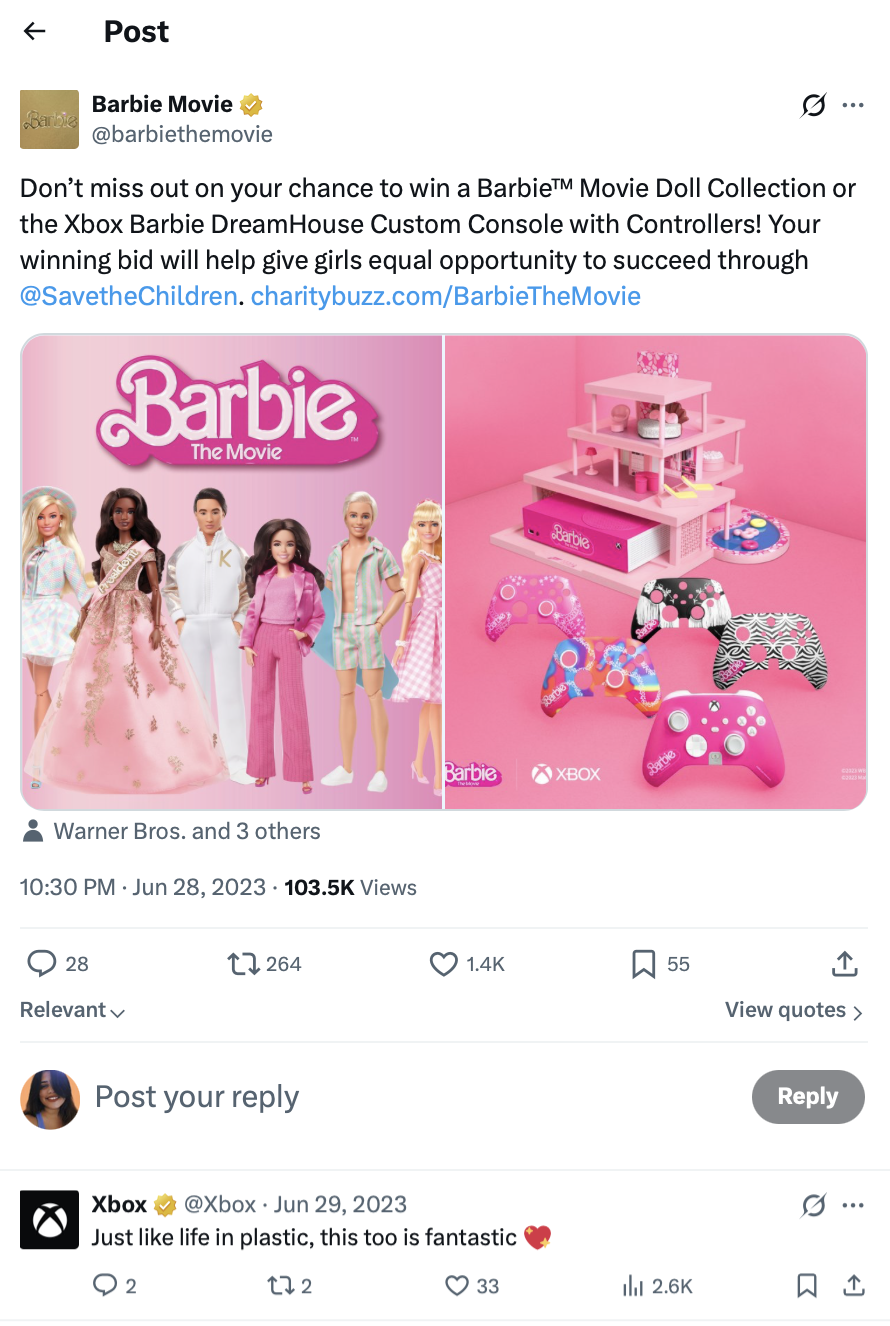
Similarly, you can replicate this by collaborating with brands your audience already trusts and co-creating assets such as a how-to webinar, a practical, co-authored guide, or a curated newsletter drop that gives people a clear reason to subscribe.
4. Build Community-Driven Growth Loops
Growth compounds when your audience starts bringing in more audience. So, instead of treating subscribers as passive recipients, turn them into active participants in your list’s growth.
Give people a reason to invite others in. Exclusivity and access tend to work better than discounts or gimmicks. People share things that make them feel early, insider, or part of something limited.
Here’s how to build that into your system-
- Create waitlists for new products, features, or content drops
- Offer early access to subscribers before anything goes public
- Gate high-value resources behind an invite or referral unlock
- Reward referrals with access
Figma is a testament to this. In their beta phase, access was invite-only for roughly a year. The Early Access Program created demand but, more importantly, turned users into distributors. You needed an invite to get in, which meant existing users became the gateway.
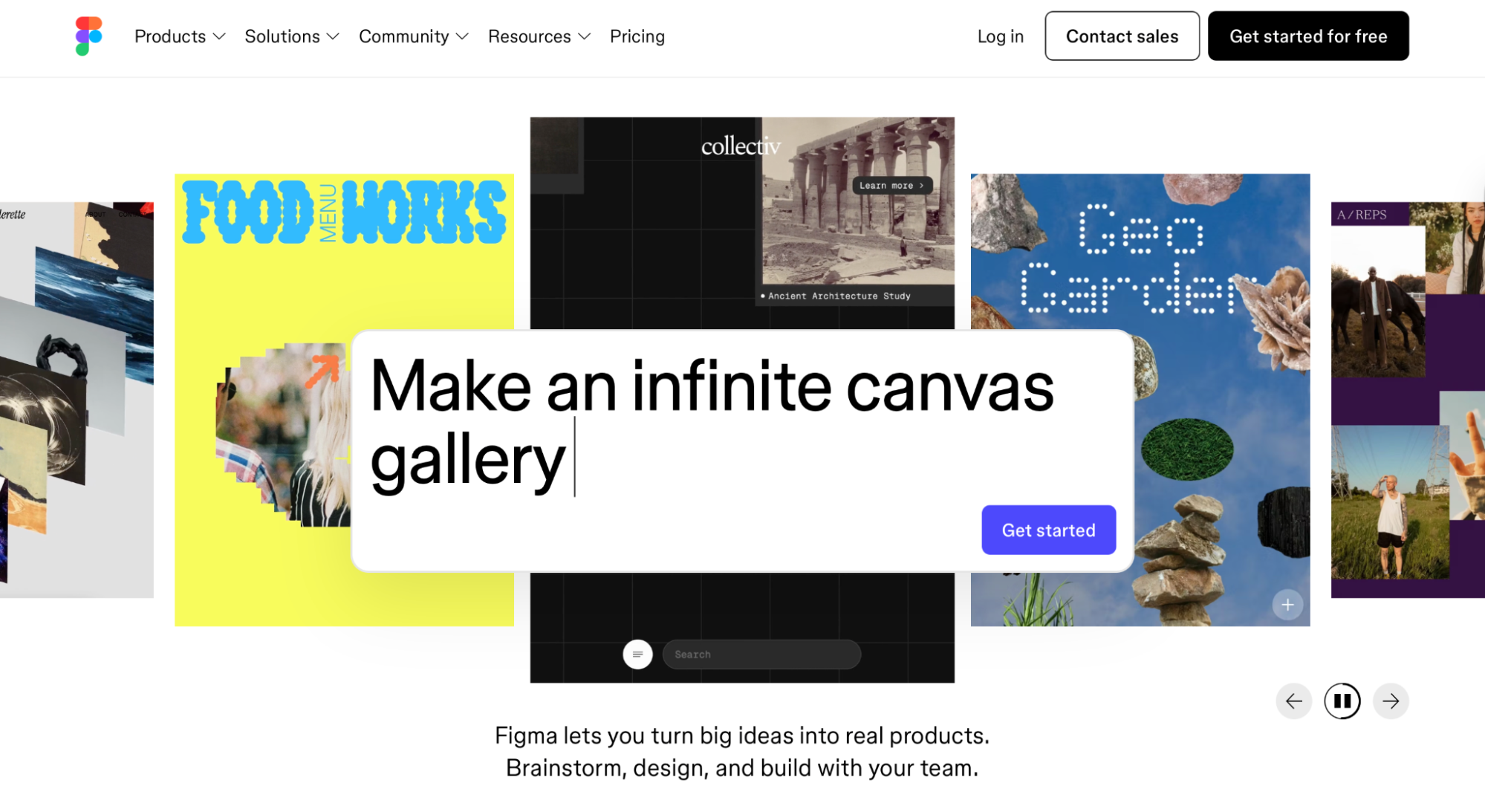
Simple ways to apply this-
- Launch your next resource as “early access only” for subscribers
- Add a simple referral loop- unlock X after inviting 2 people
- Turn your newsletter into a members-only space with occasional gated drops
This taps into scarcity and social proof. Limited access increases perceived value, and when people see others getting in through invites, it reinforces demand and nudges them to act faster.
Own Your Audience
Every tactic covered here puts you in control of your traffic, your conversions, and your audience. The brands winning at email are building systems that work quietly in the background to turn the right visitors into long-term subscribers.
Start with one strategy, optimize it until it converts, then layer the next. When done consistently, these become the foundation of an audience you actually own.
Frequently Asked Questions
Why should I prioritize building an email list over growing my social media following?
Social media platforms control your reach, and they can reduce it at any time through algorithm updates, policy changes, or a decline in the platform. An email list, by contrast, is an audience you own outright. No intermediary can limit your access to it. That permanence and control is why email consistently delivers stronger long-term ROI than social channels for most marketers.
What’s the most effective place on my website to add email capture forms?
The highest-converting placements are high-intent pages, like how-to articles, comparison pages, pricing pages, and other content that attracts visitors actively trying to solve a problem. The critical factor is relevance: your opt-in offer should feel like a direct extension of what the visitor is already exploring, not a generic newsletter pitch dropped onto an unrelated page.
What makes a good lead magnet in 2026?
The most effective lead magnets solve one specific, immediate problem for a clearly defined audience. Broad resources, like “the ultimate guide to X,” feel optional because they’re not urgent. A narrow, immediately usable asset, such as a template, checklist, or generator, feels necessary because it addresses the visitor’s needs right now. Specificity drives conversions; comprehensiveness rarely does.
How do I use SEO specifically to grow my email list, not just my traffic?
The distinction lies in targeting high-intent queries, like searches that signal the user is ready to act, not just learn. Once you’ve attracted that traffic, the key is to anticipate what the reader needs immediately after consuming your content and offer it as a frictionless opt-in. A relevant template, a practical checklist, or an interactive tool embedded in the page converts organic visitors far more effectively than a generic sidebar signup form.
What should I look for in a brand partner for co-marketing or newsletter swaps?
Three criteria matter most: a shared target audience, complementary rather than overlapping products or services, and a genuine willingness to co-create something valuable rather than simply exchange promotional mentions. A one-off shoutout rarely moves the needle. When both brands invest in producing something useful together, like a joint webinar, a co-authored guide, or a curated newsletter drop, the combined audience perceives the value immediately and is far more likely to opt in.
How does a referral or early-access model help grow an email list?
These models work by transforming passive subscribers into active advocates. When access to something valuable, such as a new feature, a premium resource, or an exclusive content drop, is gated behind an invitation or referral, existing subscribers have both the incentive and the mechanism to recruit others. Scarcity increases perceived value, and social proof accelerates action. The result is a growth loop that compounds without requiring proportionally increased acquisition spend.
How many of these strategies should I implement at once?
Start with one. Identify the strategy most aligned with your current traffic sources and audience behavior, optimize it until it converts consistently, then layer the next tactic on top. Attempting to implement all five simultaneously typically results in none being executed well enough to produce meaningful outcomes. Compounding growth requires a solid foundation; build it sequentially, not all at once.
About the Author:

Content Marketing Manager | Content marketing, inbound funnel, social media, email nurture | Natalie Slyman is an experienced Content Marketing Manager at Benchmark Email with a strong B2B background and a knack for crafting pillar content that boosts SEO and brand authority. She regularly shares actionable insights—from remote-work strategies to AI-powered content workflows—via blog posts and webinars tailored for busy marketers.