


The New Marketing Stack: What Growing Businesses Actually Need in 2025

Sometimes it can feel like there’s a shiny new tool launching every day—each promising to revolutionize your workflow, boost conversions, and make AI do all the heavy lifting. But for startups and growing businesses, that noise can be more overwhelming than helpful.
The reality is, most small and midsize businesses don’t need a dozen overlapping platforms or enterprise-level tech stacks. What they do need is a lean, effective marketing stack tailored to their goals, capacity, and audience.
Welcome to the New Marketing Stack for 2025—a practical, high-impact set of tools and systems that cut through the AI buzz and deliver real results for real businesses.
Why the Stack Has Changed
Before diving into the tools, it’s essential to understand why the ideal marketing stack has evolved:
- AI is everywhere – and while it’s powerful, it can’t replace foundational marketing needs like relationship-building, clarity of message, and audience trust.
- Budgets are tighter – Startups and SMBs don’t have the luxury of experimenting with bloated tech. Every dollar (and minute) has to count.
- Attention is scarce – Audiences are more distracted than ever. Winning attention requires intentionality, not automation overload.
- Marketing is multi-channel – You can’t rely on just one platform. Today’s customer journey is spread across email, social, search, and more.
With that in mind, here’s what your 2025 marketing stack actually needs.
1. Email Marketing + Automation: Still Your Highest ROI Tool
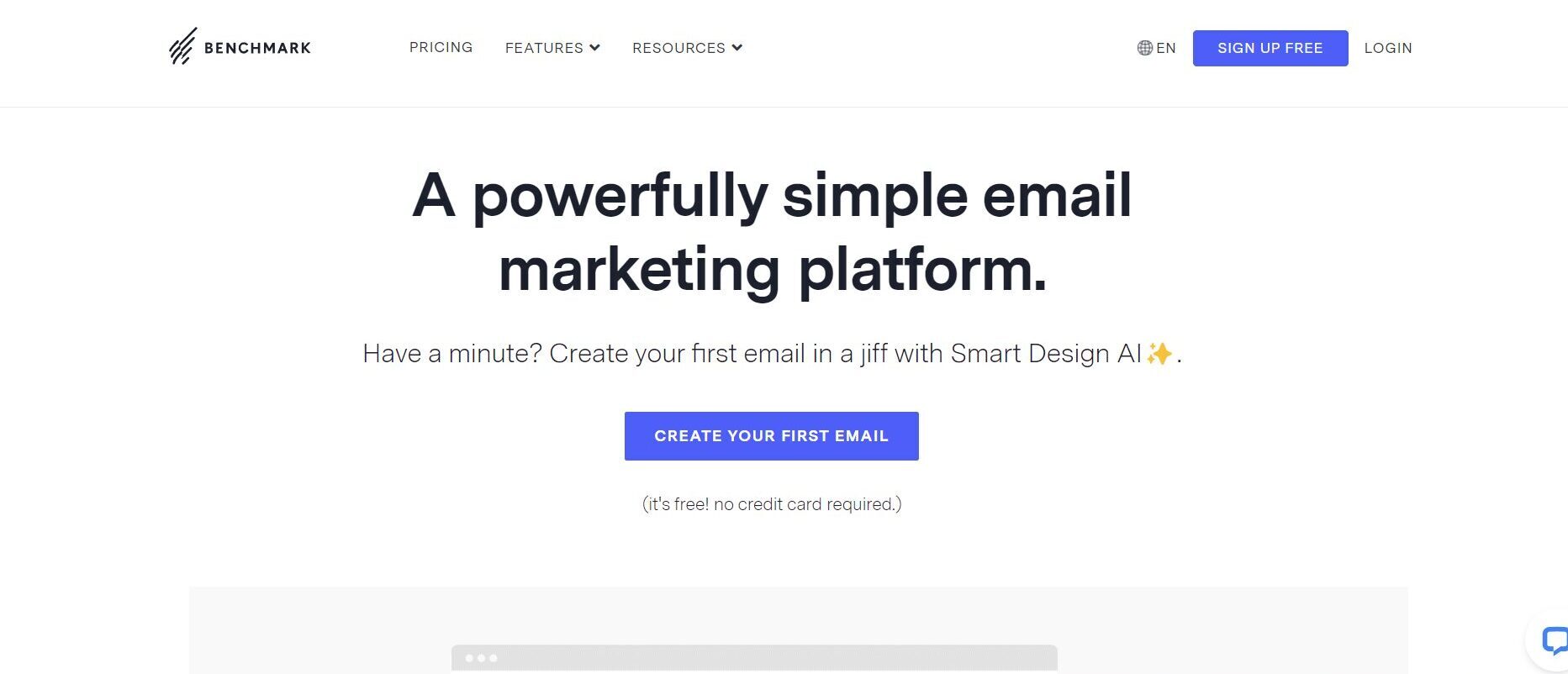
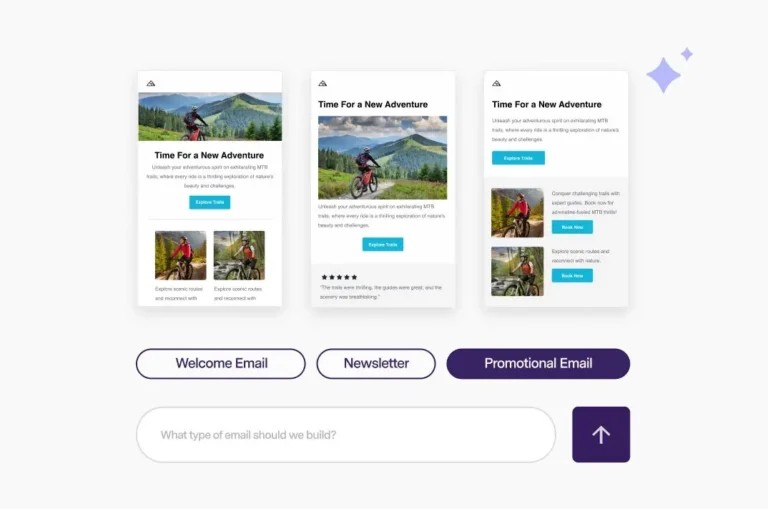
📌 Recommended tools: Benchmark Email, MailerLite, ConvertKit, ActiveCampaign
Despite the hype around AI-generated content and flashy new social platforms, email marketing remains the most reliable channel for ROI. And it’s only getting smarter.
In 2025, you need more than just a newsletter tool—you need:
- Automated workflows for welcome sequences, drip campaigns, and re-engagement
- Segmentation to personalize messaging and avoid one-size-fits-all blasts
- Deliverability tools to ensure your messages actually reach inboxes
- Simple, customizable templates that let you design fast and stay on-brand
Whether you’re nurturing leads, onboarding new customers, or keeping loyal fans engaged, email is your direct line—and it deserves a central spot in your stack.
2. CRM and Contact Management: The Unsung Hero
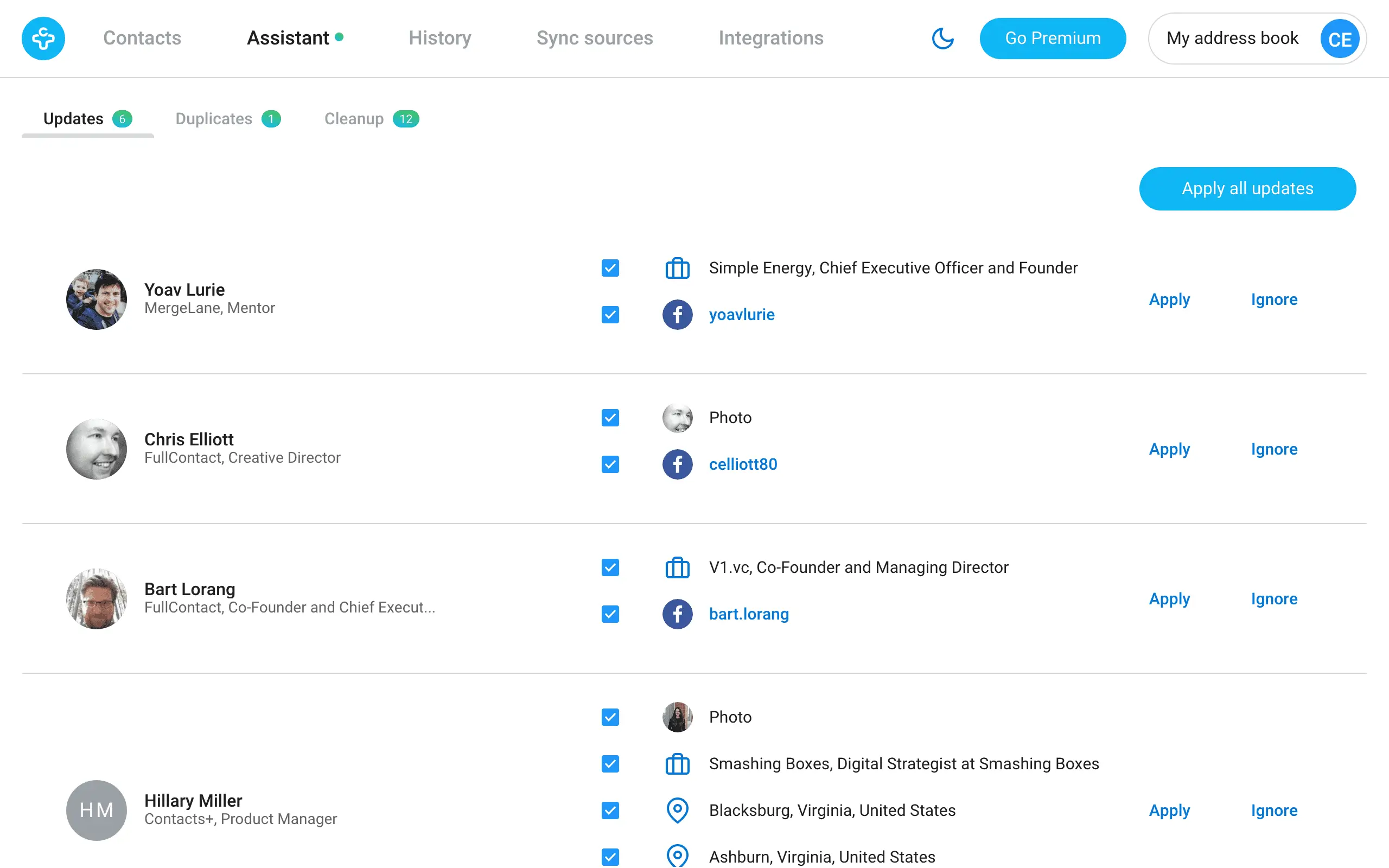
📌 Recommended tools: Contacts+, HubSpot (Free), Zoho CRM, Pipedrive
Your contacts are one of your most valuable business assets—but many businesses treat them like an afterthought. A lightweight but powerful CRM helps you:
- Keep all your customer data organized in one place
- Track conversations, meetings, and notes
- Set reminders to follow up (no more dropped leads)
- Understand your audience’s history and preferences
With AI integrating into CRMs, you can now get automatic suggestions on when to reach out, what to say, and which leads are most likely to convert. But again—these insights only work if your contact data is clean and complete.
3. Content Creation + AI Assistance (Not Replacement)
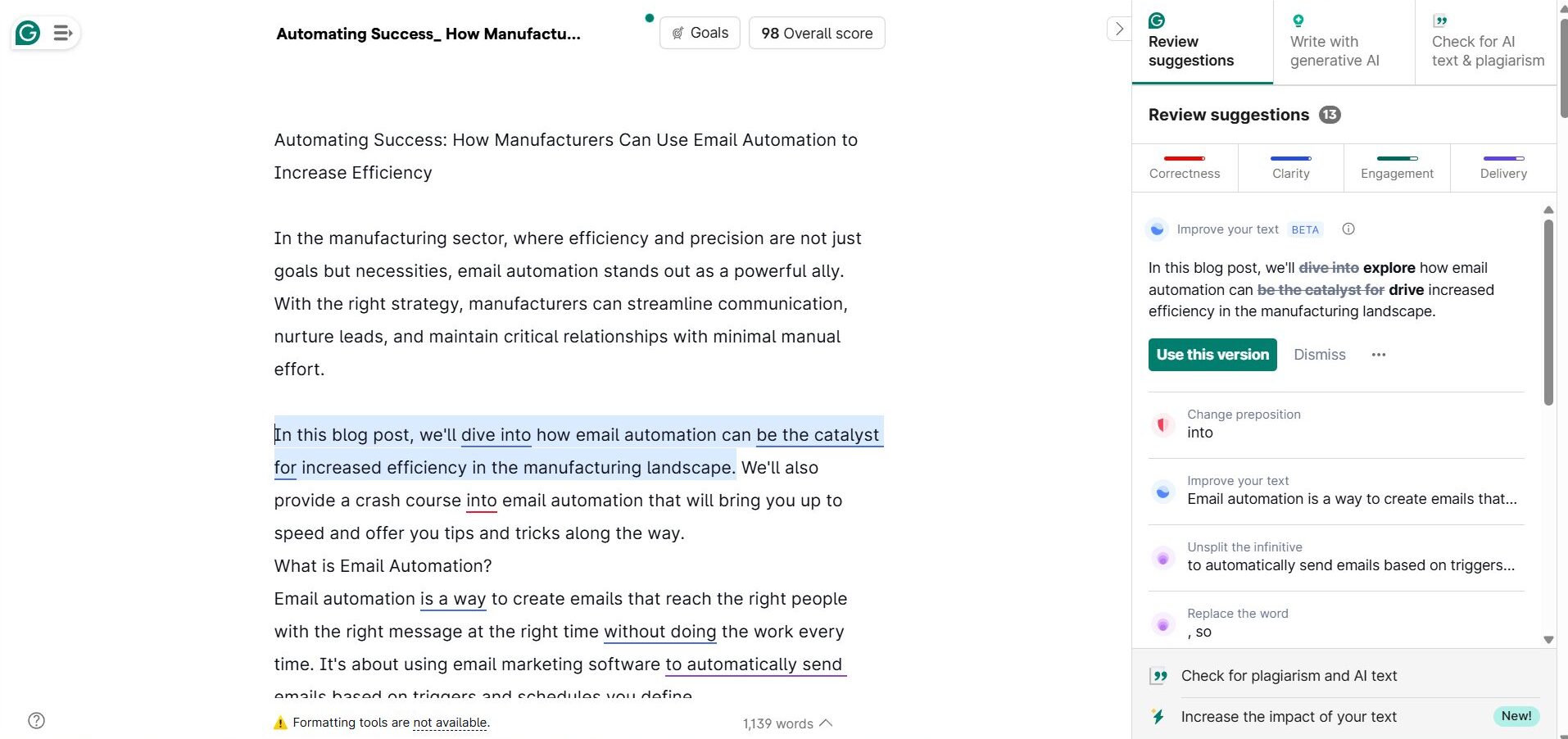
📌 Recommended tools: Grammarly, Notion AI, Jasper, Canva
Yes, AI is helpful—but only when used wisely. Instead of handing off content creation entirely, use AI to speed up your workflow:
- Generate content outlines and drafts
- Get ideas for blog posts, subject lines, or ad copy
- Refine tone and grammar
- Repurpose long-form content into bite-sized formats
Pair those tools with visual platforms like Canva for simple, on-brand graphics and social content. You don’t need a full creative agency—just innovative tools and a clear message.
4. Website + Landing Page Builder: Your 24/7 Sales Rep

📌 Recommended tools: Webflow, Squarespace, WordPress (with Elementor), Carrd, Unbounce
Your website is more than a digital business card—it’s your best-performing salesperson. In 2025, you need it to:
- Load fast (especially on mobile)
- Include compelling CTAs and lead capture forms
- Be easy to edit without a developer
- Integrate with your email and CRM tools
Don’t overcomplicate it. Keep things simple, branded, and focused on conversion. A dedicated landing page builder is beneficial for testing new campaigns without touching your main site.
5. Lead Capture + Form Tools: Turn Attention into Action
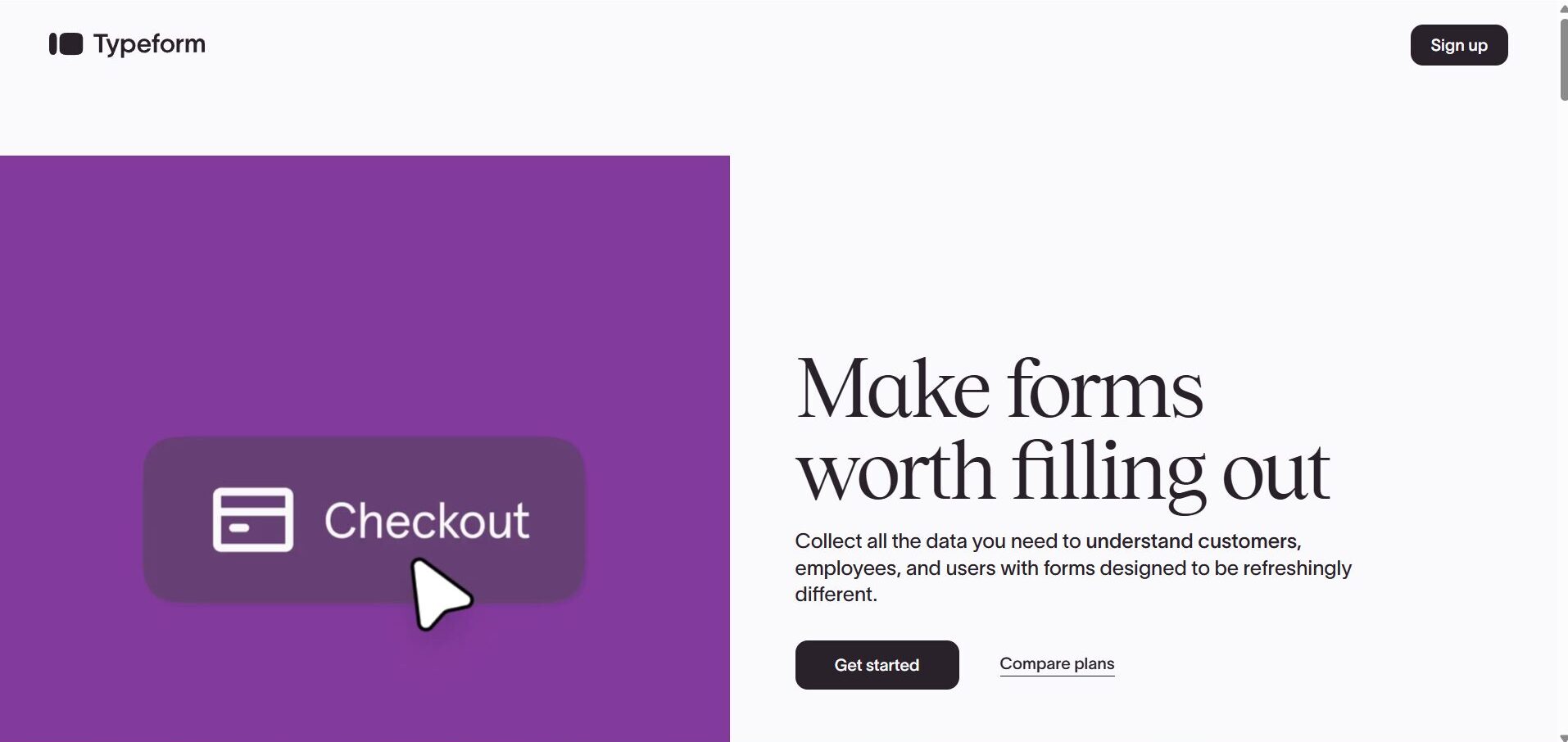
📌 Recommended tools: Typeform, ConvertBox, Tally
You’ve earned the click—now you need to capture the lead. Whether you’re offering a download, free trial, or newsletter signup, good forms are critical.
Look for tools that let you:
- Embed forms easily on your site or landing pages
- Trigger automations upon submission (like adding to email lists)
- Customize forms for your brand and message
- Add logic to tailor the experience (e.g., different follow-up paths)
Don’t let leads fall through the cracks due to clunky, boring forms.
6. Analytics + Attribution: Know What’s Working
📌 Recommended tools: Fathom, HubSpot Reports, Google Analytics 4, Plausible
It’s not enough to launch campaigns—you need to know what’s actually driving growth. Your stack should include tools to track:
- Website traffic and engagement
- Email opens, clicks, and conversions
- Lead sources and funnel performance
- ROI by channel or campaign
Clean data beats complex dashboards. Prioritize clarity and consistency, not vanity metrics.
7. Social Media Management: Stay Visible, Stay Consistent
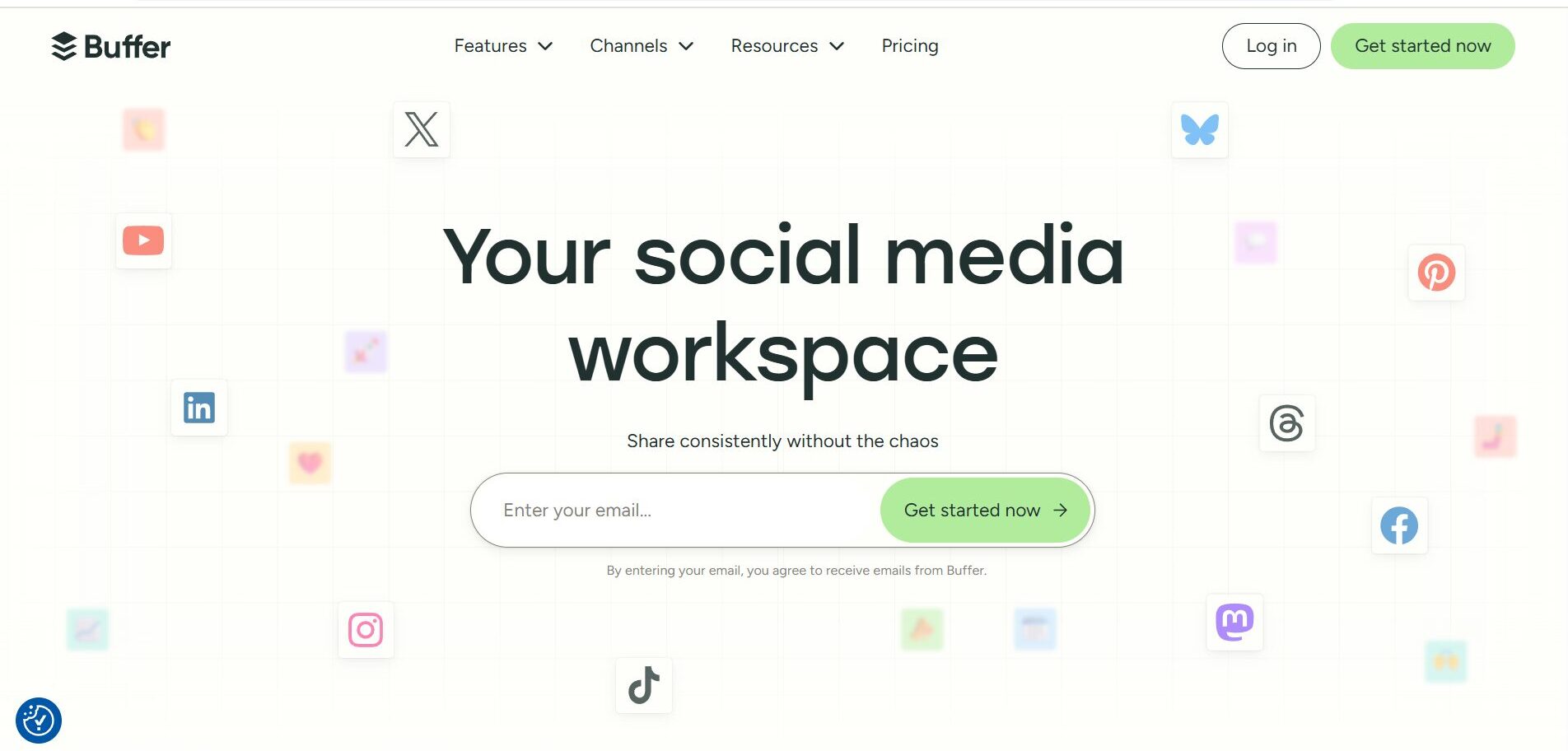
📌 Recommended tools: Buffer, Later, Hootsuite, Metricool
You don’t need to be everywhere, but you do need to show up consistently where your audience is. Social scheduling tools help you:
- Plan and publish content in advance
- Track engagement and follower growth
- Repurpose content across platforms
- Analyze performance over time
AI can help brainstorm post ideas, but your voice and values need to lead the conversation.
Bonus: AI Chat + Support for Customer Experience

📌 Recommended tools: Intercom, Drift, Tidio, ChatGPT integrations
Modern buyers expect quick responses. AI-powered chat tools can help answer FAQs, qualify leads, and even book meetings. Just be sure to balance automation with human backup—nothing kills trust faster than a robotic wall when someone needs real help.
Final Thoughts: Less Tech, More Intention
The best marketing stack in 2025 isn’t the one with the most tools—it’s the one that helps you:
- Reach your ideal audience
- Build meaningful relationships
- Stay consistent across channels
- Move fast without breaking things
As AI continues to reshape the landscape, the competitive advantage for growing businesses won’t be which tools they use—it’ll be how they use them. With a clear strategy, strong brand voice, and the right-sized stack, you’ll be well-positioned to grow with confidence in a noisy, AI-saturated world.
About the Author:

High level marketing, technical email topics, email trends | Jessica Lunk is the VP of Growth Marketing at Benchmark Email, where she combines strategic flair with hands-on expertise to help busy marketers elevate their email game. Delivering timely insights on list hygiene, ROI, and email deliverability, she’s a go-to voice for practical marketing wisdom.