


10+ Sizzling Summer Newsletter Ideas to Keep Your Audience Cool and Engaged
Key Takeaways
- Summer engagement dips are real but predictable, meaning brands that plan ahead can stand out in less-crowded inboxes.
- The best summer newsletters lean into the season rather than ignoring it: summer-relevant content, themes, and holiday hooks give subscribers a reason to open.
- Specific summer holidays (National Ice Cream Day, International Day of Friendship, Back to School) offer built-in angles for timely, relevant campaigns.
- Personalization and segmentation matter even more in the summer, when readers are more selective about what they engage with.
- Interactive elements like polls, countdowns, and challenges can dramatically increase engagement during slower months.
- Connecting summer content to a CTA (even a soft one) keeps your brand top-of-mind when buying decisions resume in the fall.
As the temperature rises and the days grow longer, summer presents a unique opportunity, and a real challenge, for email marketers. The opportunity: less competition for attention as some brands slow their output. The challenge: distracted subscribers who are checking email less frequently and opening fewer campaigns.
The good news is that both the opportunity and the challenge are predictable. And predictable problems have solvable solutions.
In this article, we’ll explore 10+ summer newsletter ideas that can help you stand out in crowded (or emptier) inboxes, spark genuine connection with your subscribers, and keep your email program strong through the slower months.
Why summer email engagement dips and how to counter it
Understanding the why behind summer disengagement makes the solution clearer. The main culprits:
Vacation and Travel: Open rates and click rates tend to drop when subscribers are away from their normal routines. They may be checking email less frequently, or simply not be in a decision-making mindset.
Outdoor Competition: Summer offers more compelling alternatives to screen time. Subscribers are outside, socializing, and less focused on their inboxes.
Information Overload: Counterintuitively, some marketers send more email in the summer to compensate for lower engagement, making the problem worse. If your subscribers’ inboxes are full of generic promotional emails, they’ll tune them all out together.
Seasonal Mindset Shift: Summer is associated with relaxation. Hard sells and heavy content often land poorly when someone’s brain is in vacation mode.
The counter to all of this is the same: be more relevant, not more frequent. Summer newsletters that acknowledge the season, offer genuine value, and match the reader’s mental state dramatically outperform campaigns that ignore the context.
10+ Summer newsletter ideas that actually work
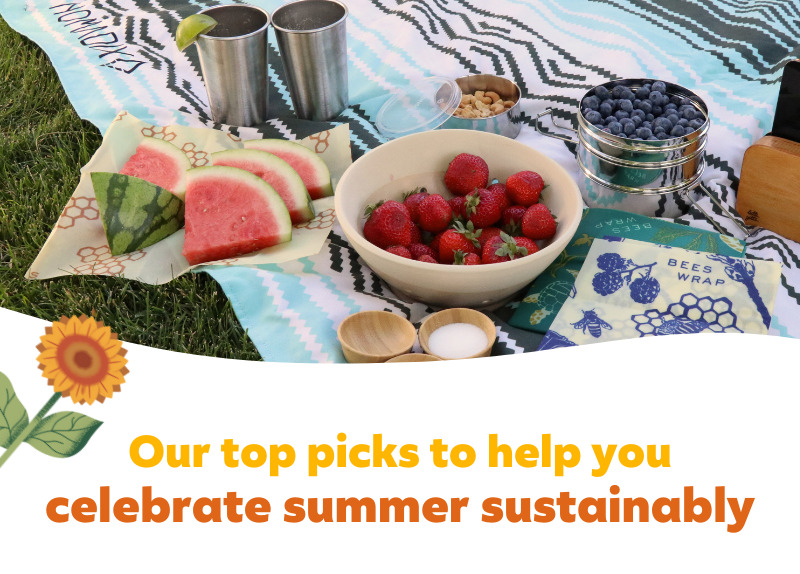
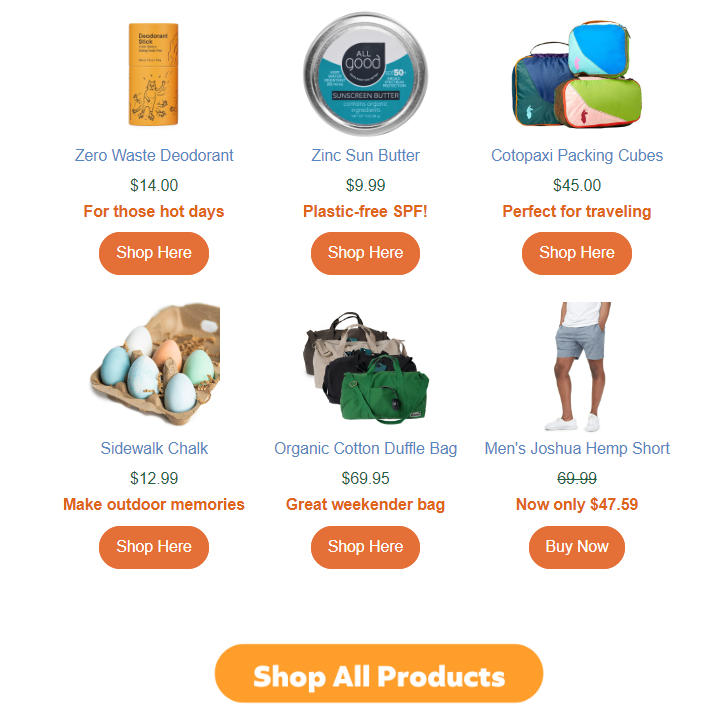
1. Summer essentials: Curated picks for fun in the sun
Share a curated list of products, services, or resources that align with your audience’s summer lives. Make it specific and editorial, not a generic product dump, and include your genuine recommendations. For non-product businesses, this could be a summer reading list, a remote-work toolkit for the vacation season, or a list of local events.
Source: Earth Hero
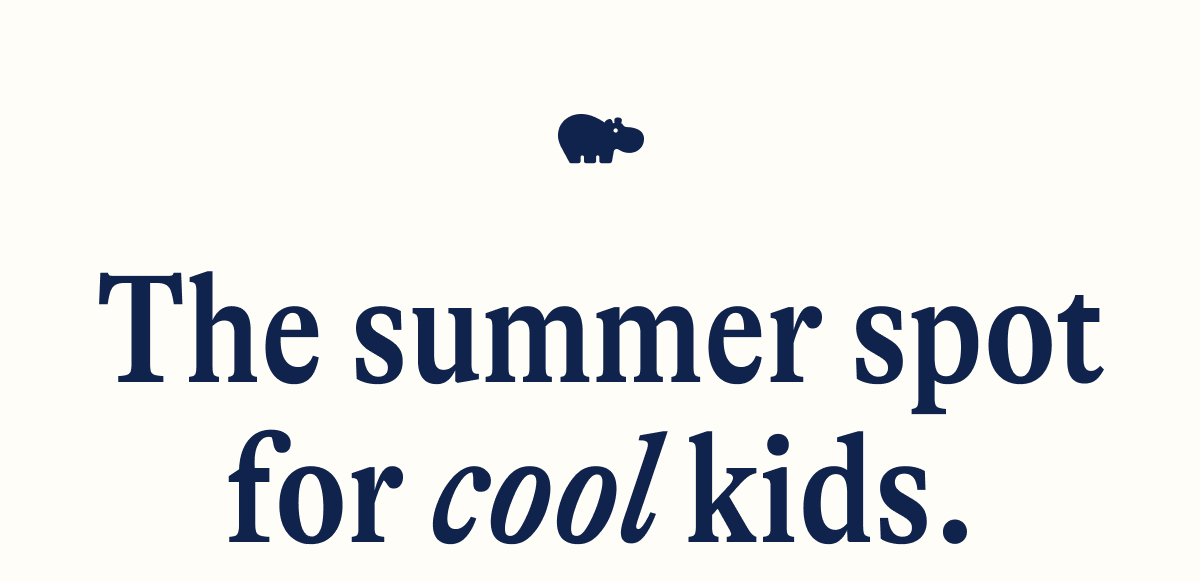
2. Beat the heat: Helpful tips with a seasonal twist
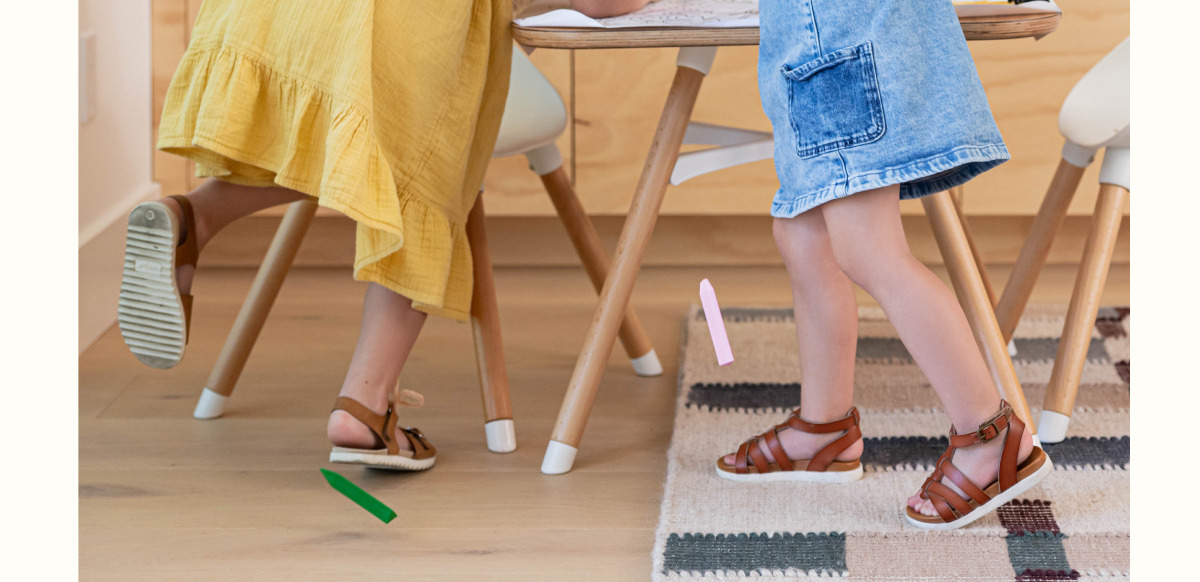
Provide practical value wrapped in summer framing. A financial services brand might offer “summer budgeting tips for vacation season.” A health brand might share hydration and energy advice for hot months. A software company might offer “summer productivity hacks for teams.” Seasonal relevance makes even evergreen content feel timely.

Source: Lalo
3. Summer adventure guide: Destination and activity inspiration
If your brand has any geographic or lifestyle angle, curate summer destinations, activities, or experiences for your audience. Even a B2B brand can do this; a “summer conference calendar” or “must-attend industry events this summer” can be genuinely useful.
4. Summer reading list: Content your audience will actually consume
Curate books, articles, podcasts, or videos relevant to your niche. This positions your brand as a thoughtful curator and resource, not just a sender of promotional emails. It’s also a powerful driver of engagement for audiences who do more leisure reading in the summer.
5. Sizzling seasonal recipes or experiences
For food, lifestyle, retail, or hospitality brands, summer is practically made for recipe content. BBQ guides, cocktail recipes, picnic packing lists. This type of content consistently drives high engagement because it’s genuinely useful and shareable.
6. Summer wellness and self-care
Health, fitness, and wellness brands have obvious hooks here, but any brand can tie into the wellness angle. Summer is when people reconsider routines and invest in feeling better. Meet them there.
7. Creative DIY and project ideas
Hands-on summer project guides, like gardening, home improvement, crafts, and cooking, perform well because they’re actionable. People have more free time in summer and are looking for ways to use it.
8. Photography and content tips
Help your audience make the most of their summer. Whether it’s phone photography tips, social media content ideas, or video editing guidance, “summer content” is something almost any subscriber can engage with.
9. Summer events calendar
Compile a calendar of relevant events, like local, industry, and cultural events, that your audience would care about. This is genuinely useful and positions your newsletter as a resource rather than just a promotional channel.
10. Exclusive summer discounts and subscriber perks
A well-timed summer promotion feels like a gift rather than a pitch, especially when it’s framed as appreciation for your loyal subscribers. Consider early access to sales, subscriber-only discount codes, or referral incentives tied to summer gifting.
11. Interactive summer challenge or contest
Engagement challenges, such as photo contests, polls, trivia, or creative submissions, dramatically increase interaction during summer months. They also generate UGC that you can use in future campaigns. Keep entry requirements low-friction and prizes relevant.
12. Seasonal “How we’re spending summer” behind-the-scenes content
Humanize your brand with a look at how your team is spending the summer. This kind of content builds connection and trust in a way that polished promotional content can’t. It also performs well because it feels personal and authentic.
Summer holidays to anchor your campaigns
Building campaigns around specific summer dates gives you a built-in “why now” that makes timing feel intentional rather than arbitrary. Key summer dates:
- Father’s Day (Third Sunday in June): Gift guides, appreciation themes, family-focused content.
- Summer Solstice (June 20–21): Celebrate the longest day with outdoor activity guides and seasonal themes.
- International Day of Friendship (July 30): Referral campaigns, community-focused content, “share with a friend” incentives.
- National Ice Cream Day (Third Sunday in July): Lighthearted, fun content, especially good for food, lifestyle, and retail brands.
- National Hammock Day (July 22): Lean into themes of relaxation and leisure.
- National Watermelon Day (August 3): Summer-peak content for food and lifestyle brands.
- Back to School (August/September): Great for brands serving families, students, or professionals returning to work.
- World Emoji Day (July 17): Fun, low-stakes engagement for any brand with a playful voice.
Making your summer newsletters work harder
A few tactics that separate good summer campaigns from great ones:
Personalize aggressively. Segment your list and send content that matches what each group actually cares about. A subscriber who bought summer products last year gets a different email than someone who never opened your seasonal campaigns.
Write for skimmers. Summer reading is often done on a phone, outside, with half a brain. Short paragraphs, bold key points, and clear CTAs are formatting that works for divided attention.
Don’t go dark. Even if you reduce sending frequency in the summer, maintain some presence. Subscribers who hear nothing from a brand for two or three months will often forget they opted in, and your fall campaigns will land cold.
Frequently Asked Questions
How often should I send newsletters in the summer?
There’s no universal answer, but most brands benefit from maintaining at least their standard cadence while adjusting their content to be more summer-relevant. If you typically send weekly, consider testing bi-weekly in peak vacation months (July/August) while increasing the quality and relevance of each send.
What subject lines work best for summer newsletters?
Summer subject lines that reference specific benefits, seasonal moments, or a bit of playful urgency tend to outperform generic ones. Examples: “Your summer reading list is here,” “Beat the heat with these 5 tips,” “Last chance: our summer sale ends Sunday.” Avoid generic seasonal labels (“Summer Newsletter #4”) with no clear value proposition.
How do I reduce email list decay during the summer?
Maintain relevance by sending content that matches the season. Subscribers who see value in your emails — even during summer — stay engaged. Also, use the slower summer period to run a list hygiene campaign: re-engagement emails for inactive subscribers, and easy-to-use preference center updates so people can adjust frequency rather than unsubscribing.
Should I change my email design for summer campaigns?
Optional but often effective. Brighter colors, lighter imagery, and seasonal visual elements can make your campaigns feel timely. Just make sure the design stays on-brand — a dramatically different visual identity can reduce recognition and trust.
What’s the best way to measure summer email campaign performance?
Track your core metrics (open rate, click rate, conversion rate) against your own baseline from previous summer periods — not against your Q4 numbers. Comparing summer performance to holiday-season performance sets unrealistic benchmarks. Year-over-year summer comparison is more meaningful.
About the Author:

VP Product Marketing | Product, marketing, email | Allie Wolff is VP of Product Marketing at Benchmark Email, where she drives measurable product growth through compelling positioning, messaging, and go‑to‑market strategies. With over 18 years of expertise spanning B2B SaaS and email marketing, she’s spearheaded landmark initiatives—from the Canva integration to the rollout of Smart Content—bringing clarity and impact to busy marketers everywhere .